
Introduction
In today's digital landscape, ransomware has emerged as one of the most formidable threats to both individuals and organizations alike. Ransomware protection is no longer just a luxury; it’s an essential component of any comprehensive cyber security strategy. With the increasing frequency and sophistication of ransomware attacks, understanding how these malicious programs operate is crucial for safeguarding sensitive data.
Understand Ransomware and Its Threats
Ransomware is a type of malicious software that encrypts files on a victim's computer or network, rendering them inaccessible until a ransom is paid to the attacker. This form of cyber extortion can paralyze businesses, disrupt operations, and lead to significant financial losses. Awareness of the various types of ransomware threats can empower companies to implement effective cyber security solutions tailored to their specific needs.
Why Ransomware Protection Matters
The implications of failing to secure against ransomware attacks can be devastating for any organization. Not only can it result in substantial financial losses due to ransom payments and recovery costs, but it can also damage reputations and erode customer trust. Investing in robust ransomware protection ensures that businesses are not only prepared for potential attacks but also resilient enough to recover quickly if they do occur.
Key Factors in Choosing Cyber Security Solutions
When selecting a cyber security solution, organizations must consider several key factors including effectiveness, scalability, and ease of integration with existing systems. The right solution should provide comprehensive coverage against various threats while being adaptable as new vulnerabilities emerge in the cyber landscape. Collaborating with reputable cyber security companies can further enhance an organization’s ability to fend off ransomware attacks through expert guidance and support.
Regular Data Backups
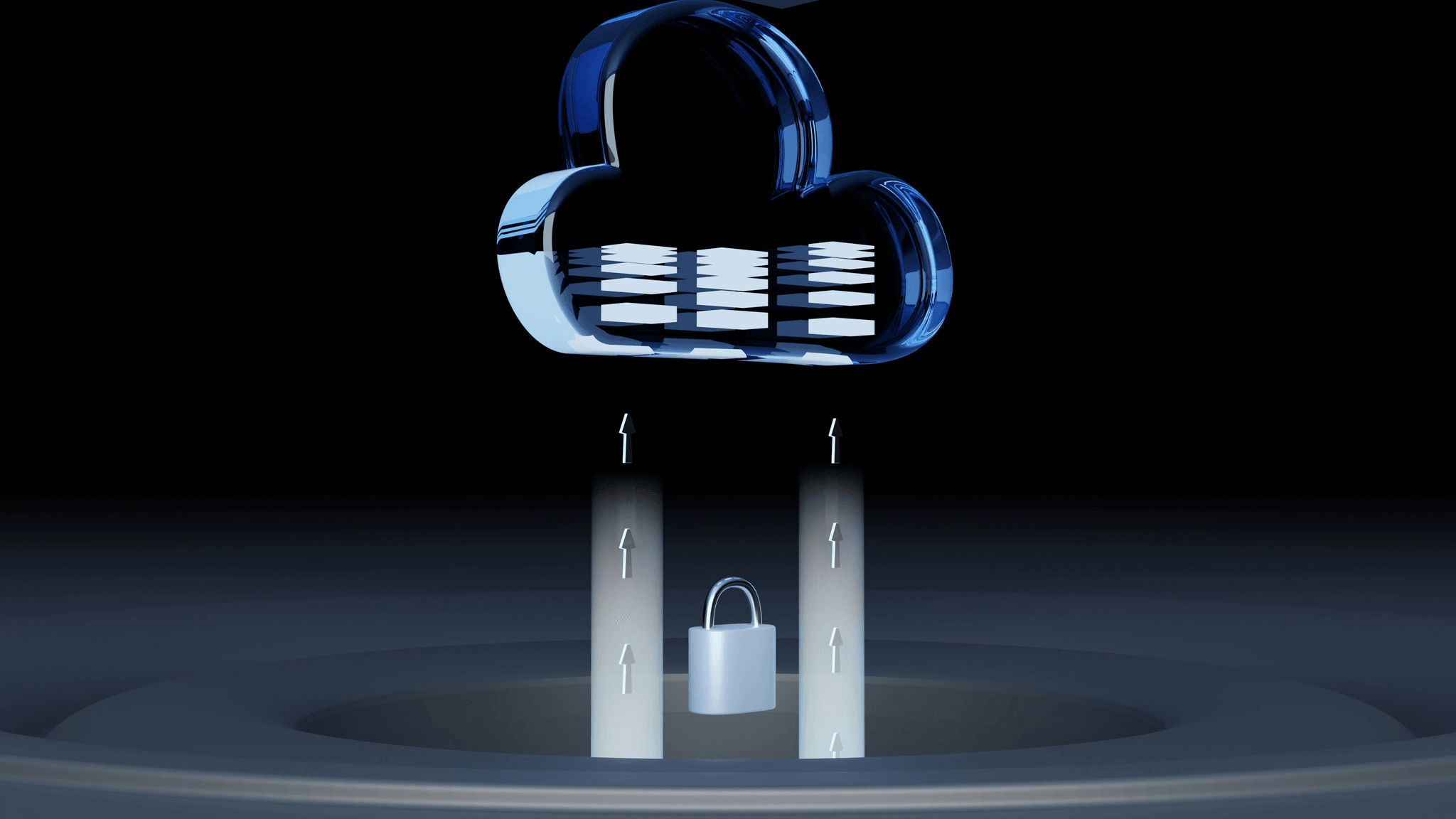
When it comes to ransomware protection, regular data backups are your best friend. They serve as a safety net, ensuring that even if a ransomware attack occurs, your critical information remains intact and recoverable. In the unpredictable world of cyber security, having consistent backups is not just wise; it's essential for safeguarding your business.
Importance of Consistent Backups
Consistent backups are crucial in the fight against ransomware attacks because they provide a reliable way to restore data without succumbing to ransom demands. Imagine losing weeks or months of work due to an attack; that’s not just inconvenient—it could be catastrophic for your operations. By regularly backing up your data, you create multiple restore points, allowing you to recover quickly and efficiently when disaster strikes.
Incorporating a backup strategy into your overall cyber security solution enhances resilience against potential threats. It’s like having an insurance policy for your digital assets—one that pays off when you need it most. The more frequently you back up, the less data you'll lose in the event of a ransomware incident.
Best Practices for Secure Backups
To ensure effective ransomware protection through backups, it's vital to follow best practices that enhance security for data integrity. First and foremost, always store backups in multiple locations—this could mean keeping copies both on-site and off-site or utilizing cloud storage solutions alongside physical drives. This multi-layered approach minimizes risks associated with localized disasters or cyber attacks targeting specific locations.
Additionally, encrypting backup files adds an extra layer of security against unauthorized access during transmission or storage. Implementing access controls ensures only authorized personnel can manage these critical files, further protecting them from potential breaches by malicious actors looking to exploit vulnerabilities within cyber security in companies. Finally, routinely test your backup restoration process; after all, what good is a backup if it doesn’t work when needed?
Using Cloud Solutions for Data Protection
Cloud solutions have revolutionized how businesses approach data protection and regular backups in their quest for robust ransomware protection strategies. With scalable storage options and advanced encryption methods provided by reputable cyber security companies, businesses can rest assured their data is secure yet easily accessible when needed most. Cloud services often come with automated backup features that simplify the process while ensuring compliance with industry regulations.
Moreover, many cloud providers offer built-in redundancy measures that automatically replicate data across multiple servers or locations—this means even if one server goes down due to an attack or hardware failure, your information remains safe elsewhere in the cloud ecosystem. Utilizing cloud solutions not only enhances efficiency but also allows organizations to focus on core business activities instead of worrying about maintaining physical infrastructure for secure backups.
In summary, leveraging cloud technology alongside traditional backup methods forms a comprehensive strategy against ransomware attacks while optimizing overall cyber security efforts within companies.
Employee Training and Awareness

In the battle against ransomware, your employees are your first line of defense. Understanding how ransomware attacks work is crucial for everyone in an organization, not just the IT department. By fostering a culture of awareness and vigilance, companies can significantly enhance their ransomware protection efforts.
Understanding Ransomware Attacks
Ransomware attacks often begin with a seemingly innocuous email or a deceptive link that leads to malicious software installation. Employees must be educated about these tactics to recognize potential threats before they escalate into full-blown security breaches. A solid understanding of how ransomware operates can empower staff to take proactive measures, thereby enhancing overall cyber security within the company.
Creating a Cyber Security Culture
Building a robust cyber security culture starts with leadership commitment and trickles down through every level of the organization. Encouraging open communication about cyber threats helps create an environment where employees feel comfortable reporting suspicious activities without fear of reprimand. This collaborative atmosphere not only boosts morale but also fortifies your defenses against ransomware attacks, making it easier to implement effective cyber security solutions.
Resources for Employee Education
Investing in comprehensive training programs is essential for keeping employees informed about the latest threats in cyber security. Numerous resources are available, including online courses, webinars, and workshops offered by reputable cyber security companies that specialize in employee education on ransomware protection strategies. By regularly updating training materials and encouraging participation in these educational opportunities, organizations can cultivate an informed workforce adept at recognizing and responding to potential risks.
Strong Password Policies

In the battle against ransomware attacks, strong password policies serve as a frontline defense. A resilient password is your first line of security for data, making it crucial to craft passwords that are both complex and memorable. Cyber security in companies often falters due to weak passwords, so let’s dive into how to fortify this essential layer of protection.
Crafting Resilient Passwords
Crafting resilient passwords is akin to building a fortress around your digital assets. Effective passwords should be at least 12 characters long and include a mix of uppercase letters, lowercase letters, numbers, and special symbols. Avoid using easily guessable information such as birthdays or common words; instead, think outside the box—perhaps create a passphrase that combines random words into a memorable sentence.
Moreover, regularly updating these passwords can significantly enhance ransomware protection by minimizing the risk of unauthorized access over time. Consider using techniques like changing one character in an existing password or adopting entirely new phrases periodically. This habit not only strengthens security for data but also keeps potential cyber threats at bay.
Importance of Multi-Factor Authentication
Multi-Factor Authentication (MFA) is like adding extra locks to your digital doors—making it much harder for cybercriminals to break in during ransomware attacks. By requiring additional verification beyond just a password—such as a fingerprint scan or a text message code—you greatly enhance your overall cyber security solution. This added layer ensures that even if someone obtains your password, they still can't access sensitive information without the second factor.
Companies implementing MFA see significant reductions in successful breaches because it requires more effort from attackers who are often looking for easy targets. In fact, many leading cyber security companies advocate for MFA as standard practice across all platforms where sensitive data is stored or accessed. By embracing this technology, organizations can bolster their defenses while fostering greater confidence among employees regarding their personal and corporate data safety.
Tools for Password Management
To manage strong passwords effectively without overwhelming yourself, consider utilizing password management tools designed specifically for enhanced ransomware protection and overall cyber security health. These tools securely store and encrypt your login credentials while allowing you to generate complex passwords effortlessly—all with just one master password that you need to remember!
Popular options like LastPass or 1Password streamline the process of maintaining unique passwords across multiple accounts while providing features like automatic updates when sites require new credentials due to breaches or policy changes. By integrating these tools into daily operations within companies focused on robust cyber security solutions, businesses can significantly reduce vulnerabilities associated with poor password practices.
Keeping Software Up to Date

In the ever-evolving landscape of cyber threats, keeping software up to date is a critical component of ransomware protection. Regular updates not only patch vulnerabilities but also enhance the overall functionality and security of your systems. Cyber security in companies hinges on this proactive approach, as outdated software can serve as an open door for ransomware attacks.
Importance of Regular Updates
Regular updates are essential in maintaining robust cyber security solutions that protect against ransomware and other malicious threats. Each update often contains crucial patches that address newly discovered vulnerabilities, making it harder for cybercriminals to exploit weaknesses in your system. By neglecting these updates, you leave your organization exposed to potential ransomware attacks that could compromise sensitive data and disrupt operations.
Automating Software Updates
Automating software updates is a smart strategy for ensuring that your systems remain secure with minimal effort. By setting up automatic updates, you can significantly reduce the risk of falling behind on critical patches, thereby enhancing your ransomware protection without requiring constant manual oversight. Many modern cyber security companies offer tools that facilitate automation, allowing organizations to focus on their core business while maintaining strong security for data.
Trusted Cyber Security Companies for Support
Partnering with trusted cyber security companies can provide invaluable support in keeping your software up to date and fortified against emerging threats like ransomware attacks. These experts not only offer tailored solutions but also provide ongoing monitoring and maintenance services that ensure compliance with best practices in cyber security. When selecting a cyber security company, look for one with a proven track record in delivering effective strategies for maintaining updated systems as part of a comprehensive cybersecurity strategy.
Utilizing Advanced Threat Protection
In today’s digital landscape, ransomware protection is no longer a luxury but a necessity for all organizations. Cyber security solutions must be robust and proactive, employing advanced threat detection tools to combat increasingly sophisticated ransomware attacks. By leveraging these technologies, companies can secure their data against breaches and ensure that they are prepared to respond effectively.
Overview of Threat Detection Tools
Threat detection tools serve as the frontline defense in the battle against cyber threats, including ransomware. These tools utilize machine learning algorithms and behavioral analytics to identify anomalies within network traffic or user behavior that may indicate a potential attack. By implementing such cyber security solutions, companies can enhance their overall security for data and significantly reduce the risk of falling victim to ransomware attacks.
Moreover, many threat detection tools offer real-time monitoring capabilities, allowing organizations to respond swiftly to any suspicious activity before it escalates into a full-blown crisis. With the right combination of software and strategies, cyber security in companies can evolve from reactive measures to proactive defenses that anticipate threats before they materialize. Ultimately, investing in these technologies is essential for maintaining strong ransomware protection.
How ZDNS Enhances Cyber Security
ZDNS is at the forefront of providing innovative cyber security solutions designed specifically to enhance protection against ransomware attacks. By utilizing advanced DNS security measures, ZDNS helps organizations detect and block malicious domains associated with known threats before they can infiltrate networks. This proactive approach not only strengthens overall cyber security but also minimizes the chances of successful ransomware infiltration.
Furthermore, ZDNS employs comprehensive threat intelligence feeds that continuously update its database with information on emerging threats and vulnerabilities. This ensures that businesses remain one step ahead of potential attackers while fortifying their defenses against evolving tactics used by cybercriminals targeting sensitive data. As such, partnering with a leading cyber security company like ZDNS can significantly bolster an organization’s resilience against ransomware attacks.
Integrating Threat Protection into Daily Operations
Integrating advanced threat protection into daily operations is crucial for maintaining effective cybersecurity practices within an organization. Employees should be trained on how to use these tools effectively while understanding their role in preventing ransomware attacks through vigilant behavior online and offline alike. Creating a culture of awareness around cybersecurity not only empowers employees but also strengthens overall organizational resilience.
To achieve seamless integration of threat protection strategies, companies should consider automating processes wherever possible—be it through automated updates or continuous monitoring systems—thus minimizing human error which often leads to vulnerabilities in data security protocols. Additionally, regular assessments of existing systems will help identify gaps where further enhancements are needed; this ongoing evaluation ensures that your approach remains relevant amid evolving cyber threats.
By embedding these practices into everyday operations alongside investing in reliable cyber security solutions like those offered by ZDNS, organizations will establish an effective framework for enduring ransomware protection while fostering confidence among stakeholders regarding their commitment to safeguarding sensitive information.
Developing an Incident Response Plan

In the ever-evolving landscape of cyber threats, having a robust incident response plan is essential for effective ransomware protection. A well-structured plan not only helps organizations respond swiftly to ransomware attacks but also minimizes potential damage and recovery time. By integrating a comprehensive approach to cyber security, companies can ensure they are prepared for any eventuality.
Key Components of an Effective Plan
An effective incident response plan should include several key components that address each stage of a ransomware attack. First, it must outline clear roles and responsibilities for team members, ensuring everyone knows their part in the response process. Additionally, the plan should include communication protocols to maintain transparency with stakeholders and provide timely updates during an incident.
Another critical component is a detailed assessment protocol to evaluate the impact of ransomware attacks on data security and business operations. This assessment will help determine the appropriate course of action, whether it's isolating infected systems or initiating recovery procedures. Finally, regular reviews and updates to the incident response plan are vital to adapt to new threats in the cyber security landscape.
Simulating Ransomware Attacks
Simulating ransomware attacks is a proactive approach that allows organizations to test their incident response plans effectively. These simulations provide invaluable insights into how well-prepared teams are when faced with real-world scenarios involving ransom ware incidents. By conducting tabletop exercises or full-scale drills, companies can identify weaknesses in their processes and refine their strategies accordingly.
Moreover, these simulations foster collaboration among team members from various departments, reinforcing a culture of cyber security awareness across the organization. Employees become more familiar with potential threats and learn how to react promptly during an actual ransomware attack scenario. Ultimately, regular simulations enhance overall resilience against future cyber threats.
Collaborating with Cyber Security Companies
Partnering with reputable cyber security companies can significantly bolster an organization's defense against ransomware attacks. These experts bring specialized knowledge and advanced tools that enhance overall security for data protection efforts within companies. By collaborating with established firms in the field of cyber security solutions, businesses gain access to cutting-edge technologies designed specifically for threat detection and mitigation.
Additionally, working alongside these professionals allows organizations to stay informed about emerging trends in ransomware protection strategies and best practices tailored for their industry needs. Cyber security companies often offer training sessions that equip employees with essential skills needed to recognize potential threats before they escalate into major incidents. Such partnerships ultimately create a stronger shield against evolving cybersecurity challenges.
Conclusion
In the ever-evolving landscape of cyber threats, building a robust ransomware protection strategy is not just an option—it's a necessity. Organizations must take proactive measures to fortify their defenses against ransomware attacks by integrating comprehensive cyber security solutions tailored to their specific needs. This multi-layered approach ensures that data remains secure and minimizes the impact of potential breaches.
Building a Robust Ransomware Protection Strategy
A solid ransomware protection strategy begins with understanding the specific vulnerabilities within your organization and addressing them head-on. By employing a combination of regular data backups, employee training, and strong password policies, companies can create a formidable defense against ransomware attacks. Remember, investing in these foundational elements not only enhances security for data but also fosters a culture of awareness and vigilance among employees.
Investing in Long-Term Cyber Security
Long-term investment in cyber security is crucial for safeguarding your organization against the persistent threat of ransomware. Partnering with reputable cyber security companies can provide access to cutting-edge technologies and expertise that bolster your defenses over time. Additionally, allocating resources towards ongoing training and updated tools will ensure that your team remains equipped to handle evolving threats effectively.
Future-Proofing Against Ransomware Attacks
Future-proofing against ransomware attacks involves staying ahead of the curve by continuously adapting your cyber security strategies as new threats emerge. This means regularly reviewing and updating your incident response plan while integrating advanced threat protection tools into daily operations. By fostering an environment where innovation meets vigilance, organizations can significantly reduce their risk profile and enhance their overall resilience against future cyber threats.