
Introduction
In the digital age, ensuring that your network runs smoothly is akin to keeping a well-oiled machine. Load balancing plays a crucial role in this process, distributing workloads across multiple resources to optimize performance and reliability. By understanding load balancing fundamentals, you can make informed decisions about the right techniques and tools for your specific needs.
Understanding Load Balancing Fundamentals
At its core, load balancing is about efficiently managing traffic to prevent any single resource from becoming overwhelmed. It involves various strategies and methodologies that dictate how resources are allocated based on current demand. By grasping how load balancing works, you can better appreciate its impact on overall system performance and user experience.
Importance of Choosing the Right Techniques
Selecting the appropriate load balancing techniques can significantly influence your data center's efficiency and scalability. With options ranging from static load balancing to dynamic load balancing strategies, each method has its own strengths and weaknesses. The right choice not only enhances performance but also ensures that your infrastructure can adapt to future demands.
Overview of Load Balancing Tools
The market is flooded with an array of load balancing tools designed to cater to different needs and scenarios. From basic algorithms that handle simple traffic distribution to advanced weighted least connections algorithms capable of making real-time adjustments, there’s something for everyone. Understanding these tools will empower you in choosing load balancing for your data center effectively.
The Basics of Load Balancing
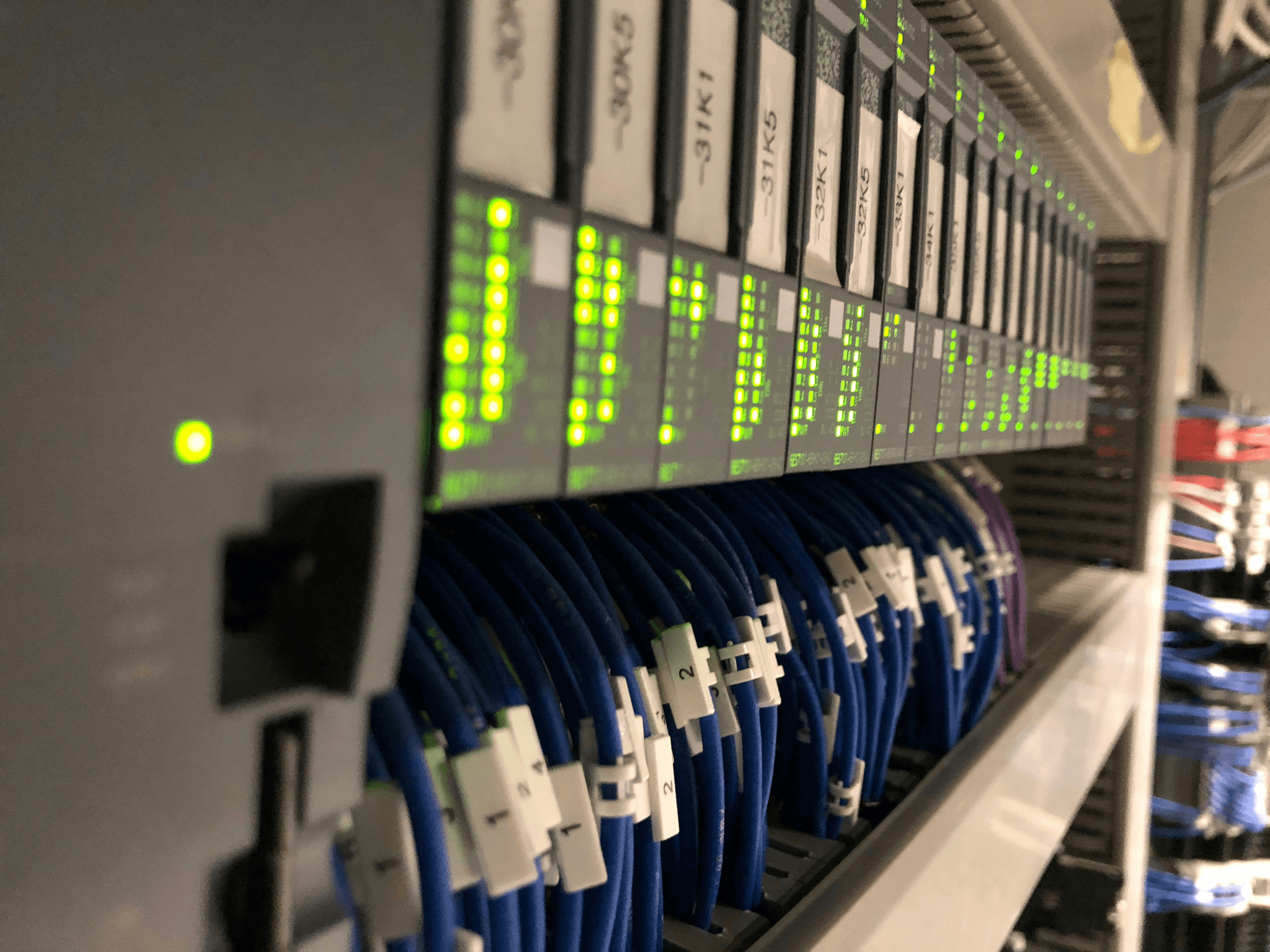
Load balancing is a critical component in modern networking, ensuring that resources are utilized efficiently and effectively. Understanding how load balancing works lays the foundation for appreciating its significance in data centers and network architecture. By exploring various types of load balancing, both static and dynamic, we can better appreciate the benefits these techniques offer.
How Load Balancing Works
At its core, load balancing distributes incoming network traffic across multiple servers to ensure no single server becomes overwhelmed. This process involves using specialized load balancing tools that monitor server performance and health, intelligently directing requests based on predefined rules or algorithms. Essentially, how load balancing works hinges on the ability to assess real-time data and make decisions that optimize resource allocation.
When a user sends a request to a web application or service, the load balancer evaluates which server can best handle that request based on current loads and response times. By doing so, it not only improves performance but also increases redundancy; if one server fails, others can seamlessly take over without disrupting service. This fundamental mechanism is crucial for maintaining high availability and reliability in any digital environment.
Types of Load Balancing Explained
There are two primary types of load balancing: static and dynamic load balancing. Static load balancing relies on pre-configured settings to distribute traffic evenly across servers without adapting to real-time conditions. In contrast, dynamic load balancing adjusts its strategies based on current workloads and server performance metrics—making it more responsive to fluctuations in demand.
Static approaches are simpler to implement but often lack the flexibility needed for environments with variable workloads. Dynamic Load Balancing utilizes sophisticated algorithms that analyze traffic patterns and server capacity continuously; this adaptability allows organizations to respond swiftly to changing demands while optimizing resource utilization. Understanding these types of load balancing is essential when choosing the right approach for your data center.
Benefits of Effective Load Balancing
Effective load balancing offers numerous advantages that can significantly enhance network performance and reliability. One major benefit is improved resource utilization; by distributing workloads evenly among servers, organizations can maximize their hardware investment while minimizing downtime risks associated with overloaded systems. Additionally, effective techniques help maintain consistent application performance during peak usage periods.
Another key advantage lies in enhanced fault tolerance; should one server fail or become unresponsive, other servers can take over its tasks without impacting user experience—this is especially vital for mission-critical applications where uptime is paramount. Moreover, employing advanced weighted least connections algorithm strategies allows businesses to prioritize certain servers based on their capacity or workload history further optimizing overall system efficiency.
In conclusion, understanding the basics of how load balancing works—including its types and benefits—is crucial for anyone involved in managing data centers or network services today. With an array of options available from static solutions to advanced autonomous methods like dynamic load balancing strategies tailored specifically for future needs—choosing the right approach will ultimately determine operational success.
Static Load Balancing Techniques

Static load balancing refers to methods that distribute workloads across servers based on predetermined rules and configurations. This approach is often simpler and easier to manage than dynamic load balancing, where workloads shift in real-time based on current demand. Understanding how load balancing works in a static context can help organizations make informed choices about their infrastructure.
Advantages of Static Load Balancing
One of the primary advantages of static load balancing is its predictability; since the distribution of traffic is fixed, performance can be easily anticipated. This allows for straightforward resource allocation, making it ideal for environments with stable workloads where traffic patterns do not fluctuate significantly. Additionally, static load balancing tools tend to require less overhead in terms of processing power and complexity compared to their dynamic counterparts.
Another benefit is simplicity in implementation; setting up static configurations often involves just a few clicks or lines of code, making it accessible even for teams without extensive networking expertise. Furthermore, because there are no real-time adjustments needed, troubleshooting becomes more manageable when issues arise within the network infrastructure. Overall, these advantages make static approaches appealing for certain applications.
Limitations of Static Approaches
Despite its benefits, static load balancing does have limitations that can hinder performance in more dynamic environments. One major drawback is its inability to adapt quickly to changing traffic patterns; if one server becomes overloaded while others remain underutilized, users may experience delays or downtime. This inflexibility poses challenges for businesses that experience varying loads throughout the day or during peak seasons.
Moreover, static techniques may lead to inefficient resource utilization over time as they do not account for fluctuations in demand or changes in application usage trends. In scenarios where workloads are unpredictable or highly variable—like e-commerce sites during sales events—static methods may fall short compared to dynamic load balancing strategies that adjust resources on-the-fly. Thus, while choosing load balancing for your data center involves weighing these factors carefully, reliance solely on static approaches could be detrimental.
Real-World Applications of Static Load Balancing
Static load balancing finds its niche primarily in environments with predictable traffic patterns and consistent resource demands—think small business websites or internal applications with steady user bases. For instance, a company hosting an internal HR portal might use static techniques effectively since user access generally remains constant throughout business hours without drastic spikes or drops in demand.
Additionally, some content delivery networks (CDNs) leverage static approaches when distributing cached content across multiple servers located geographically closer to end-users. By predefining routes and server allocations based on location data rather than real-time metrics, CDNs can ensure efficient content delivery without needing complex algorithms that characterize dynamic systems like the advanced weighted least connections algorithm used elsewhere.
In summary, while there are numerous scenarios where static load balancing proves effective and beneficial—especially when combined with other methods—it’s essential for organizations to assess their unique needs before committing fully to this approach.
Dynamic Load Balancing Strategies

Dynamic load balancing is a game-changer for modern data centers, addressing the ever-changing demands of network traffic. Unlike static load balancing, which relies on predetermined configurations, dynamic load balancing adjusts in real-time based on current conditions. This adaptability ensures optimal resource utilization and enhances overall performance, making it a vital component of effective load balancing tools.
What is Dynamic Load Balancing
Dynamic Load Balancing refers to techniques that redistribute workloads across multiple servers or resources based on real-time metrics and system performance. This approach allows for seamless adjustments as traffic patterns fluctuate, ensuring that no single server becomes overwhelmed while others remain idle. By continuously monitoring system loads and responding accordingly, dynamic load balancing optimizes resource allocation and improves service reliability.
The primary goal of dynamic load balancing is to maintain high availability and responsiveness within a network environment. It takes into account various factors such as server health, response times, and current loads to make decisions about traffic distribution. As organizations grow and their needs evolve, choosing dynamic load balancing strategies becomes essential for maintaining efficient operations.
Key Algorithms for Dynamic Balancing
Several algorithms underpin dynamic load balancing strategies, each with its unique strengths tailored to specific scenarios. One prominent example is the Round Robin algorithm, which distributes requests evenly across all available servers in a sequential manner—simple yet effective! Another key player is the Least Connections algorithm that directs new connections to the server currently handling the fewest active connections; this helps avoid overloading any single resource.
More advanced techniques include the Advanced Weighted Least Connections algorithm, which assigns weights to servers based on their capacity or performance levels before distributing requests accordingly. This method not only balances connections but also prioritizes more capable servers when demand spikes occur. Using these algorithms effectively can significantly enhance how load balancing works within your data center.
The Role of ZDNS in Dynamic Load Balancing
ZDNS plays a crucial role in facilitating dynamic load balancing by intelligently managing DNS queries for distributed systems. By leveraging ZDNS technology, organizations can achieve higher flexibility in routing user requests based on real-time data about server performance and availability—essentially allowing your infrastructure to be as agile as possible!
With ZDNS integrated into your dynamic load balancing strategy, you can ensure that traffic is directed towards optimal resources without manual intervention or downtime interruptions. As part of an autonomous load-balancing setup, ZDNS helps streamline operations by automatically adjusting routes according to live metrics—making it easier than ever to choose the right approach for your data center's unique requirements.
In conclusion, embracing dynamic load-balancing strategies equipped with cutting-edge algorithms like Advanced Weighted Least Connections enhances responsiveness while adapting seamlessly to changing demands—a crucial aspect for future outlooks on network management!
Advanced Load Balancing Techniques
In the ever-evolving world of network management, advanced load balancing techniques are becoming essential for optimizing performance and ensuring reliability. From sophisticated algorithms to autonomous systems, these methods can significantly enhance how load balancing works in modern data centers. The right load balancing tools can make all the difference in achieving a seamless user experience.
Exploring Advanced Weighted Least Connections Algorithm
One of the standout methods in advanced load balancing is the weighted least connections algorithm. This technique not only considers the number of active connections on each server but also assigns weights based on server capacity and performance. By dynamically adjusting how requests are distributed, this approach ensures that no single server becomes overwhelmed, making it an essential component of dynamic load balancing strategies.
The weighted least connections algorithm shines particularly in environments with varying server capabilities and workloads. By understanding types of load balancing that include this method, data center managers can better allocate resources and improve response times for end-users. As organizations increasingly rely on static load balancing techniques for predictable workloads, incorporating dynamic methods like this can provide a significant competitive edge.
Autonomous Load Balancing in Modern Networks
Autonomous load balancing represents a paradigm shift in how we manage network traffic, leveraging machine learning and AI to optimize resource allocation without human intervention. This approach allows systems to adaptively respond to real-time changes in traffic patterns and server health, making it a game-changer for modern networks. With autonomous systems at play, choosing load balancing for your data center becomes less about manual configuration and more about intelligent self-optimization.
By employing autonomous techniques, organizations can achieve higher efficiency while reducing operational overhead associated with traditional methods. These systems analyze vast amounts of data to determine optimal routing paths dynamically, blending both static and dynamic load balancing principles seamlessly. As businesses scale up their operations or face unpredictable spikes in demand, autonomous solutions provide the agility needed to maintain performance.
Future Outlook on Advanced Techniques
Looking ahead, the future of advanced load balancing techniques appears bright as technology continues to evolve at a rapid pace. Innovations such as AI-driven predictive analytics will likely play a pivotal role in shaping how we approach both static and dynamic load balancing solutions moving forward. Organizations must stay informed about emerging trends within this space if they want to leverage cutting-edge tools effectively.
Furthermore, as cloud computing continues its upward trajectory, integrating advanced weighted least connections algorithms with cloud-based architectures will become increasingly common. The ability to choose from various types of load balancing will empower businesses to tailor their strategies according to specific needs while embracing innovations like autonomous systems for enhanced efficiency and resilience. In this landscape where adaptability is key, staying ahead means continuously exploring new possibilities within advanced techniques.
Choosing the Right Approach for Your Data Center
When it comes to choosing load balancing for your data center, the options can be overwhelming. Each organization has unique needs, so understanding how load balancing works and the types of load balancing available is crucial. From static load balancing to dynamic strategies and advanced techniques, making an informed decision can significantly impact your network's efficiency.
Factors to Consider in Your Decision
Several factors should guide your decision-making process when selecting load balancing tools for your data center. First, consider the scale of your operations; larger environments may benefit from dynamic load balancing due to its adaptability and real-time adjustments. Additionally, think about the complexity of your applications—if they require high availability and responsiveness, advanced weighted least connections algorithms might be more suitable than static approaches.
Another critical factor is cost-effectiveness; while some advanced techniques offer superior performance, they may come with a hefty price tag that doesn't fit every budget. Evaluate your team's expertise as well; if you lack in-house skills for implementing complex solutions like autonomous load balancing, simpler options might be more practical. Finally, don't forget about future scalability—your chosen method should not only meet current demands but also adapt as those demands evolve.
Comparing Load Balancing Techniques
Understanding the strengths and weaknesses of different types of load balancing can help clarify which approach fits best in your data center environment. Static load balancing is straightforward and easy to implement but lacks flexibility in handling varying traffic loads effectively over time. In contrast, dynamic load balancing adjusts based on real-time metrics and can distribute workloads more efficiently during peak times.
When comparing these techniques, consider how each aligns with your operational goals—static methods may suffice for predictable traffic patterns while dynamic strategies are better suited for fluctuating demands or unexpected spikes in usage. Advanced techniques like the weighted least connections algorithm offer even more granularity by directing requests based on server performance metrics rather than just round-robin distribution or simple hashing methods.
Ultimately, a thorough comparison should encompass not only technical capabilities but also how each option integrates with existing systems and workflows within your organization’s infrastructure.
Practical Tips for Implementation
Implementing effective load balancing requires careful planning and execution to ensure optimal performance across all applications in your data center. Start by conducting a comprehensive analysis of current workloads; understanding traffic patterns will help you choose between static or dynamic solutions effectively. If you opt for advanced weighted least connections algorithms or autonomous methods, ensure that you have monitoring tools in place to track their effectiveness continuously.
Testing is crucial before rolling out any new solution; simulate various scenarios to see how well each technique performs under stress conditions typical of peak usage times. Documenting these tests will provide valuable insights into which type of load balancing works best in practice versus theory.
Finally, maintain flexibility within your strategy—technology evolves rapidly, so regularly reassess whether your chosen approach remains aligned with both organizational needs and industry advancements like autonomous load balancing innovations that promise a brighter future outlook for network management.
Conclusion
In the ever-evolving landscape of network management, load balancing stands out as a cornerstone for optimizing performance and ensuring service reliability. Understanding how load balancing works, from static load balancing to dynamic strategies, empowers organizations to make informed decisions that align with their operational goals. With a variety of load balancing tools available, choosing the right approach can dramatically enhance your data center's efficiency and responsiveness.
Key Takeaways on Load Balancing
The fundamentals of load balancing are crucial for maintaining a seamless user experience across networks. Types of load balancing—whether static or dynamic—each serve distinct purposes and come with their own sets of advantages and limitations. The advanced weighted least connections algorithm exemplifies how sophisticated techniques can further refine resource allocation, paving the way for better performance in increasingly complex environments.
Making Informed Choices for Your Network
When it comes to choosing load balancing for your data center, several factors must be weighed carefully: traffic patterns, application requirements, and available resources all play critical roles in determining the best fit. Organizations should consider both static and dynamic load balancing options to ensure they select methods that not only meet current demands but also anticipate future growth. By leveraging effective load balancing tools and strategies, businesses can streamline operations while enhancing user satisfaction.
The Path Forward for Load Balancing Strategies
Looking ahead, autonomous load balancing is set to revolutionize how networks manage traffic distribution with minimal human intervention. As technology continues to advance, integrating AI-driven solutions will likely become commonplace in optimizing network performance through intelligent decision-making processes. The future outlook on these developments suggests that organizations willing to adapt will not only improve efficiency but also gain a competitive edge in an increasingly digital world.