
Introduction
In today’s digital landscape, cloud-based network monitoring has emerged as a critical component for businesses leveraging cloud services. As organizations increasingly migrate their operations to the cloud, understanding how to effectively monitor these environments becomes essential for maintaining security and performance. This introduction sets the stage for exploring the nuances of cloud network monitoring and its significance in ensuring robust cloud security.
Understanding Cloud Network Monitoring
Cloud network monitoring refers to the processes and tools used to oversee and manage network performance in cloud environments. By utilizing specialized cloud server monitoring tools, organizations can gain insights into traffic patterns, resource utilization, and potential vulnerabilities within their networks. This proactive approach not only enhances operational efficiency but also ensures that businesses can quickly respond to any anomalies that may arise.
The Importance of Cloud Security
As more data is stored and processed in the cloud, the importance of robust cloud security cannot be overstated. Businesses face an ever-evolving threat landscape where data breaches and cyberattacks are commonplace; therefore, implementing effective cloud monitoring solutions is paramount. By prioritizing security measures alongside monitoring efforts, organizations can safeguard sensitive information while complying with industry regulations.
Overview of Cloud Monitoring Solutions
Cloud monitoring solutions come in various forms, each designed to address specific needs within an organization’s infrastructure. From comprehensive analytics platforms like Datadog to built-in services such as Amazon CloudWatch, these tools provide invaluable insights into system health and performance metrics. Selecting the right combination of cloud monitoring tools is essential for maximizing visibility across all aspects of a business's operations while ensuring seamless integration with existing security frameworks.
What is Cloud Network Monitoring?

In the age of digital transformation, cloud network monitoring has emerged as a vital practice for organizations leveraging cloud-based solutions. It involves the continuous observation and management of network performance, security, and availability within cloud environments. By utilizing cloud monitoring tools, businesses can ensure optimal operation and protection of their critical infrastructure.
Definition and Key Concepts
Cloud network monitoring refers to the processes and technologies used to track the performance and security of networks operating within cloud environments. Key concepts include real-time data analysis, proactive alerts, and automated reporting that help identify issues before they escalate. Understanding these concepts is crucial for organizations to implement effective cloud services and security measures.
How Cloud-Based Solutions Work
Cloud-based solutions operate by distributing resources across various servers in a virtualized environment, allowing for flexibility and scalability. These systems utilize advanced algorithms to collect data from multiple sources, providing insights that are essential for maintaining network health. By leveraging these capabilities, organizations can deploy robust cloud server monitoring tools that enhance visibility into their operations.
The Role of Cloud Server Monitoring Tools
Cloud server monitoring tools serve as the backbone of effective cloud network monitoring strategies by offering real-time insights into system performance and security vulnerabilities. These tools help administrators track metrics such as bandwidth usage, latency, and error rates while also ensuring compliance with industry standards for cloud security. Ultimately, they enable businesses to make informed decisions regarding their cloud solutions while optimizing resource allocation.
Key Benefits of Cloud Network Monitoring

In the rapidly evolving digital landscape, cloud network monitoring has emerged as a vital component for businesses seeking to optimize their operations. By leveraging cloud-based network monitoring solutions, organizations can enhance their security posture, improve system performance, and achieve cost efficiency. The benefits are manifold, making it essential for businesses to adopt effective cloud monitoring tools.
Enhanced Security and Compliance
When it comes to cloud security, the stakes are higher than ever. Cloud server monitoring tools provide real-time insights into network activity, enabling organizations to detect potential threats before they escalate into full-blown incidents. Additionally, these tools help ensure compliance with industry regulations by continuously monitoring configurations and access controls across various cloud services.
With enhanced visibility into data flows and user behavior, businesses can proactively address vulnerabilities that may arise in their cloud environments. This proactive approach not only strengthens security but also fosters trust among customers who increasingly value data protection. Ultimately, adopting robust cloud-based network monitoring solutions is a strategic move toward safeguarding sensitive information while maintaining compliance standards.
Improved Performance and Reliability
Cloud-based network monitoring doesn’t just bolster security; it also plays a crucial role in enhancing performance and reliability. By utilizing sophisticated cloud monitoring tools, organizations can identify bottlenecks and latency issues in real-time, allowing IT teams to respond swiftly before users notice any disruptions. This level of insight ensures that applications remain responsive and available—key factors in user satisfaction.
Moreover, consistent performance metrics help organizations optimize resource allocation across their cloud services and security frameworks. This optimization leads to smoother operations and less downtime—essential elements for maintaining competitive advantage in today’s fast-paced market. In essence, effective cloud server monitoring translates directly into improved user experiences and business outcomes.
Cost Efficiency and Scalability
One of the most attractive benefits of implementing cloud network monitoring is its inherent cost efficiency combined with scalability potential. Traditional on-premises solutions often require substantial upfront investments in hardware and software; however, cloud solutions allow businesses to pay only for what they use on a subscription basis—ideal for fluctuating workloads or seasonal demands.
With scalable capabilities embedded within advanced cloud monitoring solutions, organizations can effortlessly adjust resources according to operational needs without incurring excessive costs or delays associated with physical infrastructure upgrades. This agility not only supports growth but also empowers companies to innovate without financial constraints holding them back. Thus, embracing a well-rounded approach to cloud-based network monitoring ultimately leads to significant savings while supporting long-term strategic goals.
Best Practices for Effective Cloud Monitoring
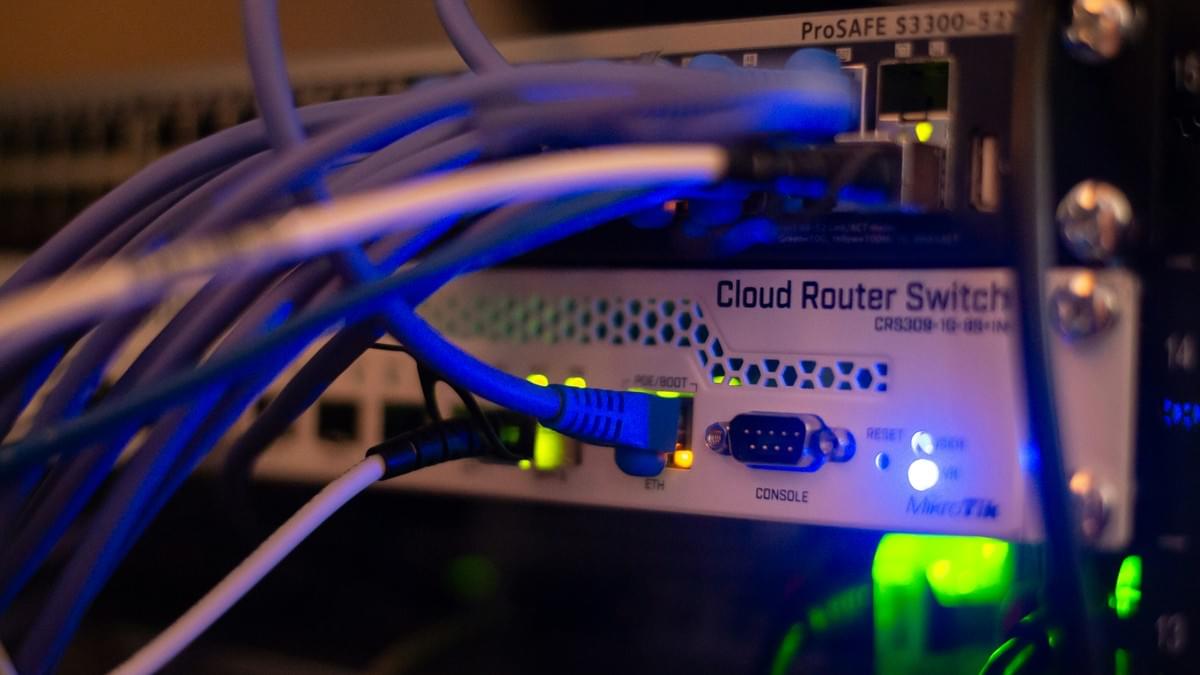
In the dynamic world of cloud computing, effective monitoring is essential to ensure optimal performance and security. To harness the full potential of cloud solutions, organizations must adopt best practices that enhance their cloud based network monitoring capabilities. This section outlines key strategies for choosing tools, implementing proactive measures, and integrating services to bolster cloud security.
Choosing the Right Cloud Monitoring Tools
Selecting suitable cloud monitoring tools is crucial for maximizing the benefits of your cloud solutions. With a plethora of options available, it’s important to evaluate features that align with your organization's specific needs, such as scalability and ease of use. Prioritizing tools that offer comprehensive visibility into your infrastructure will enhance your ability to manage cloud server monitoring effectively.
When assessing various cloud monitoring solutions, consider their compatibility with existing systems and their ability to integrate seamlessly with other cloud services and security measures. Look for tools that provide real-time insights and automated alerts to quickly identify issues before they escalate into significant problems. Remember, the right tools not only improve operational efficiency but also strengthen your overall security posture.
Additionally, ensure that you choose vendors who prioritize customer support and offer robust documentation for their products. This can significantly reduce downtime during implementation and troubleshooting phases while enhancing user experience in managing cloud based network monitoring tasks.
Implementing Proactive Monitoring Strategies
Proactive monitoring strategies are vital in maintaining a secure and efficient cloud environment. Instead of waiting for issues to arise before taking action, organizations should leverage advanced analytics provided by their chosen cloud server monitoring tools. By analyzing historical data trends, teams can predict potential problems and address them proactively.
Regularly reviewing performance metrics allows businesses to identify anomalies early on—whether it's an unexpected spike in traffic or unusual access patterns indicative of a security breach. Establishing baseline performance standards helps in recognizing deviations more efficiently; this is where effective proactive strategies shine through in enhancing overall system reliability.
Moreover, employing automated responses can streamline incident management processes significantly; if certain thresholds are exceeded or unusual behavior is detected, alerts can trigger predefined actions without human intervention. This not only enhances operational efficiency but also reinforces your organization’s commitment to robust cloud security practices.
Integrating with Other Cloud Services and Security
Integration plays a pivotal role in optimizing the effectiveness of any set of cloud monitoring solutions you deploy. Ensuring that your chosen tools work harmoniously with other essential services enhances visibility across all platforms while strengthening overall data integrity within your infrastructure environment. By integrating various components—such as application performance management (APM) tools alongside traditional network monitors—you create a cohesive ecosystem tailored for comprehensive oversight.
Furthermore, collaboration between different teams—such as IT operations and cybersecurity—is crucial when it comes to aligning goals related to both performance optimization and threat mitigation within the realm of cloud services and security management practices. Regular communication ensures everyone is on the same page regarding expectations from these integrations while fostering an atmosphere conducive for sharing insights about emerging threats or vulnerabilities.
Lastly, don’t overlook the importance of continuous improvement; regularly assess how well integrated systems function together while seeking feedback from end-users about usability experiences across platforms involved in your operations landscape involving cloud based network monitoring efforts.
Popular Cloud Monitoring Solutions

In the ever-evolving landscape of cloud services and security, selecting the right cloud monitoring solutions is crucial for maintaining optimal performance and security. This section explores some of the most popular tools available, each offering unique features tailored to meet diverse needs in cloud-based network monitoring. By understanding these solutions, organizations can make informed choices that enhance their overall cloud strategy.
ZDNS and Its Offerings
ZDNS is a notable player in the realm of cloud server monitoring tools, specializing in DNS management and monitoring services that bolster cloud security. Their offerings include real-time DNS analytics, which help organizations track performance metrics and identify potential threats before they escalate. With ZDNS, businesses can ensure their cloud infrastructure remains resilient against attacks while benefiting from enhanced visibility into their network operations.
Moreover, ZDNS integrates seamlessly with existing cloud solutions to provide comprehensive monitoring capabilities that adapt to evolving needs. The platform's user-friendly interface allows teams to efficiently manage their DNS records while leveraging advanced analytics for proactive decision-making. In a world where every millisecond counts, ZDNS stands out as a reliable partner in achieving effective cloud-based network monitoring.
Amazon CloudWatch Capabilities
Amazon CloudWatch is a robust service that offers extensive capabilities for organizations seeking effective cloud monitoring tools within AWS environments. It enables users to collect and track metrics related to resource utilization, application performance, and operational health—all essential elements of successful cloud security strategies. With customizable dashboards and automated alerts, CloudWatch empowers teams to respond swiftly to any anomalies or performance issues.
One of the standout features of Amazon CloudWatch is its ability to integrate with other AWS services seamlessly, creating a cohesive ecosystem for managing applications deployed in the cloud. This integration enhances overall efficiency by allowing users to automate scaling actions based on real-time data insights—an essential aspect of modern cloud solutions. Businesses leveraging Amazon CloudWatch can rest assured knowing they have a powerful ally in maintaining optimal performance across their applications.
Datadog for Comprehensive Insights
Datadog has emerged as a leading solution for organizations looking for comprehensive insights into their operations through advanced observability features in their cloud-based network monitoring efforts. This platform consolidates data from various sources—cloud services and security tools—allowing teams to visualize application performance across different environments effortlessly. With its rich set of integrations, Datadog provides an unparalleled view into how applications perform under varying conditions.
The flexibility offered by Datadog makes it an ideal choice for businesses operating multi-cloud environments or those looking to optimize specific aspects of their infrastructure without compromising on security or compliance standards. By choosing Datadog as part of your toolkit, you’re investing not just in software but also peace of mind regarding your entire operational framework.
Challenges in Cloud Network Monitoring
Organizations must remain vigilant to ensure their cloud solutions are not only effective but also secure against evolving threats. Let's delve into the primary challenges that organizations face in this domain.
Addressing Security Concerns
Cloud security is paramount in today's digital age, where data breaches can have catastrophic consequences. As organizations increasingly rely on cloud-based network monitoring tools, they must address vulnerabilities that could expose sensitive information to cyber threats. Implementing robust security measures and continuous monitoring becomes essential to safeguard data while utilizing various cloud monitoring solutions.
Moreover, the dynamic nature of cloud environments adds complexity to security efforts; with multiple users accessing resources from different locations, maintaining a secure posture requires constant vigilance. Organizations need to adopt comprehensive strategies that include multi-factor authentication and encryption protocols within their cloud services and security framework. By prioritizing these aspects, businesses can mitigate risks associated with unauthorized access and ensure compliance with industry regulations.
Handling Data Privacy Issues
Data privacy is another significant hurdle in the realm of cloud network monitoring. With stringent regulations like GDPR and CCPA coming into play, organizations must navigate a complex web of compliance requirements while leveraging cloud server monitoring tools for operational efficiency. This balance between utilizing powerful monitoring capabilities and ensuring user privacy can be tricky; companies need to implement clear policies regarding data collection and usage.
Furthermore, organizations should consider the implications of storing sensitive data in multi-tenant environments typical of many cloud solutions. The risk of inadvertent data exposure increases when sharing resources across different clients or departments within a single platform. Therefore, adopting best practices for data governance is crucial for maintaining trust with customers while maximizing the benefits offered by advanced cloud monitoring tools.
Managing Multi-Cloud Environments
As businesses increasingly adopt multi-cloud strategies to enhance flexibility and avoid vendor lock-in, managing these diverse environments presents its own set of challenges. The complexity arises from integrating various cloud services into a cohesive strategy that ensures consistent performance across all platforms while utilizing effective cloud network monitoring tools. Without proper oversight and management tools tailored for multi-cloud scenarios, organizations may struggle with visibility into their overall infrastructure.
Additionally, coordinating security measures across different providers can lead to gaps if not handled properly; each vendor may have unique policies or configurations that complicate unified threat detection efforts within an organization’s broader security architecture. To address this issue, companies should invest in centralized management solutions that offer comprehensive visibility across all their chosen platforms while ensuring compliance with relevant standards for each service utilized in their ecosystem.
Lastly, implementing automated processes can significantly reduce human error associated with managing multiple systems—streamlining operations while enhancing overall performance through proactive insights provided by sophisticated cloud-based network monitoring solutions.
Conclusion

Cloud network monitoring is not just a buzzword; it's an essential practice for businesses leveraging cloud solutions. As organizations increasingly migrate to the cloud, understanding how to maximize the benefits of cloud monitoring tools becomes paramount in ensuring robust cloud security. By implementing effective cloud server monitoring tools, businesses can enhance their overall performance and maintain compliance with industry standards.
Maximizing Benefits of Cloud Monitoring
To truly harness the power of cloud-based network monitoring, organizations must adopt a proactive approach. This means selecting the right cloud monitoring solutions that fit specific needs while integrating seamlessly with existing infrastructure. Additionally, companies should prioritize continuous training for their teams on best practices in using these tools to ensure they are fully utilizing features designed for enhanced security and scalability.
Future Trends in Cloud Network Monitoring
The landscape of cloud network monitoring is ever-evolving, with trends such as artificial intelligence and machine learning making waves in the industry. These technologies are set to revolutionize how we approach cloud security by enabling predictive analytics that can identify potential threats before they escalate. Moreover, as multi-cloud environments become more prevalent, future developments will likely focus on creating unified dashboards that provide comprehensive visibility across all cloud services and security measures.
Making Informed Choices for Cloud Solutions
When it comes to selecting the right cloud solutions, businesses should consider both current needs and future growth potential. It's crucial to evaluate various cloud monitoring tools based on their capabilities, ease of integration with existing systems, and support for compliance requirements. By making informed choices now, organizations can ensure they are well-equipped to navigate the complexities of modern IT environments while maximizing their investment in cloud-based network monitoring.