
Introduction

In today's fast-paced digital landscape, the importance of reliable network automation cannot be overstated. Organizations increasingly rely on seamless connectivity and efficient management of their network resources to stay competitive. As such, network automation solutions have become essential for optimizing operations and minimizing downtime.
The Importance of Reliable Network Automation
Reliable network automation is crucial for businesses aiming to enhance their operational efficiency and agility. Without it, organizations may face disruptions that can lead to significant financial losses and hindered productivity. By implementing robust network automation solutions, companies can ensure consistent performance while freeing up IT teams to focus on strategic initiatives rather than routine tasks.
Understanding DDI in Networking
At the heart of effective network management lies DDI—an integrated approach encompassing DNS, DHCP (Dynamic Host Configuration Protocol), and IPAM (IP Address Management). Understanding DDI is essential for leveraging its capabilities in enhancing overall networking performance.
How DDI Enhances Network Management
DDI enhances network management by providing a unified platform that streamlines processes such as DNS management, cloud DNS integration, and advanced DNS monitoring capabilities. This integration allows organizations to automate repetitive tasks while ensuring accuracy and reducing human error across their networks. Furthermore, with features like intelligent traffic scheduling and anycast DNS support, DDI empowers businesses to optimize resource allocation and improve service reliability significantly.
What is DDI?
Defining DDI: DNS, DHCP, and IPAM
DNS translates user-friendly domain names into IP addresses that computers use to identify each other on the network. DHCP (Dynamic Host Configuration Protocol) assigns dynamic IP addresses to devices on a network so they can communicate effectively without manual intervention. IPAM (IP Address Management) provides an organized way to manage these IP addresses across both physical and virtual environments, making it easier for IT teams to monitor their networks.
Together, these components form the backbone of any robust networking strategy. They ensure that resources are allocated efficiently while minimizing downtime through automated processes. In today's fast-paced digital landscape, understanding DDI is crucial for businesses aiming to leverage cloud DNS services and improve their overall DNS management capabilities.
The Role of DDI in Network Automation Solutions
DDI plays a pivotal role in enhancing network automation solutions by providing integrated management of critical networking functions. With advanced DNS monitoring capabilities embedded within DDI systems, organizations can proactively identify issues before they escalate into significant problems. This level of oversight allows for seamless network orchestration as automated responses can be triggered based on real-time data analytics.
Real-World Applications of DDI
The practical applications of DDI are vast and varied across industries seeking reliable network automation solutions. For instance, large enterprises often deploy DDI systems to manage thousands of devices across multiple locations seamlessly; this ensures efficient resource allocation while minimizing human error during configuration changes. Additionally, service providers utilize cloud DNS capabilities powered by sophisticated analytics tools like ZDNS for high-scale resolution capacity—supporting millions of transactions daily without compromising performance.
In another example, organizations implementing advanced DNS monitoring through their DDI frameworks can quickly react to potential security threats or outages by rerouting traffic intelligently via Anycast DNS technology—this not only improves response times but also enhances user experience significantly during peak loads or crises. Furthermore, companies leveraging these integrated solutions report reduced operational costs due to streamlined processes that eliminate redundancies inherent in traditional networking approaches.
Key Features of DDI Solutions

In the realm of network automation solutions, DDI (DNS, DHCP, and IPAM) stands out as a crucial component for effective network management. By integrating DNS management with DHCP and IP address management, organizations can streamline their operations and enhance overall efficiency. This section delves into the key features that make DDI solutions indispensable in today’s networking landscape.
Benefits of Integrated DNS Management
Integrated DNS management is a game-changer for organizations looking to optimize their network automation solutions. By consolidating DNS with other critical functions like DHCP and IPAM, businesses can reduce complexity and improve response times significantly. This integration not only simplifies the administrative workload but also enhances security by providing a unified view of all network resources.
Streamlining Cloud DNS and DHCP Services
The rise of cloud computing has necessitated an evolution in how we approach cloud DNS and DHCP services within network automation solutions. Modern DDI solutions offer seamless integration with cloud environments, allowing organizations to manage their DNS records more efficiently than ever before. By leveraging cloud-based infrastructure, companies can achieve greater scalability while ensuring high availability for their services.
Streamlining these services means that organizations can respond rapidly to changing demands without compromising on performance or reliability. Automated provisioning of IP addresses through DHCP ensures that devices are connected swiftly while reducing manual errors that often plague traditional approaches. This agility is particularly beneficial in dynamic environments where resource allocation needs are constantly shifting.
Advanced DNS Monitoring Capabilities
Advanced DNS monitoring capabilities are essential for maintaining optimal performance within any network orchestration framework. With sophisticated tools integrated into DDI solutions, IT teams gain real-time insights into traffic patterns and potential vulnerabilities affecting their networks. This proactive monitoring enables quick identification of anomalies or threats before they escalate into significant issues.
The ability to monitor anycast dns implementations further strengthens this capability by ensuring efficient routing decisions based on geographic proximity or server load balancing—resulting in faster resolution times for end-users globally.
DDI and Network Orchestration

In the realm of modern networking, DDI (DNS, DHCP, and IPAM) plays a pivotal role in enhancing network orchestration. This integration allows for seamless coordination of network resources, ensuring that automation solutions operate smoothly and efficiently. By leveraging DDI within their frameworks, organizations can achieve unprecedented levels of reliability and performance across their networks.
Understanding Network Orchestration
Network orchestration refers to the automated management and coordination of complex networking tasks across multiple devices and services. It encompasses various processes such as provisioning, configuration management, and monitoring—all aimed at optimizing network performance. With the rise of cloud services and virtualization, effective network orchestration is essential for maintaining control over increasingly dynamic environments.
How DDI Improves Efficiency in Automation
Integrating DDI into network automation solutions significantly enhances operational efficiency by streamlining DNS management and DHCP services. For instance, automated DNS monitoring ensures that issues are detected in real-time before they escalate into larger problems, allowing for proactive rather than reactive measures. Furthermore, with features like Anycast DNS incorporated into the mix, organizations can distribute traffic intelligently across multiple servers—ensuring high availability while minimizing latency.
Case Studies Illustrating DDI Success
Numerous organizations have successfully implemented DDI solutions to optimize their network orchestration efforts. For example, a global tech company utilized ZDNS's high-scale resolution capacity to manage its extensive cloud DNS infrastructure effectively; this resulted in improved response times and reduced downtime during peak traffic periods. Another case involved a financial institution that leveraged intelligent traffic scheduling capabilities to handle millions of resolutions per minute seamlessly—demonstrating how robust DDI solutions can transform operational capabilities in demanding environments.
The Role of Anycast DNS in DDI
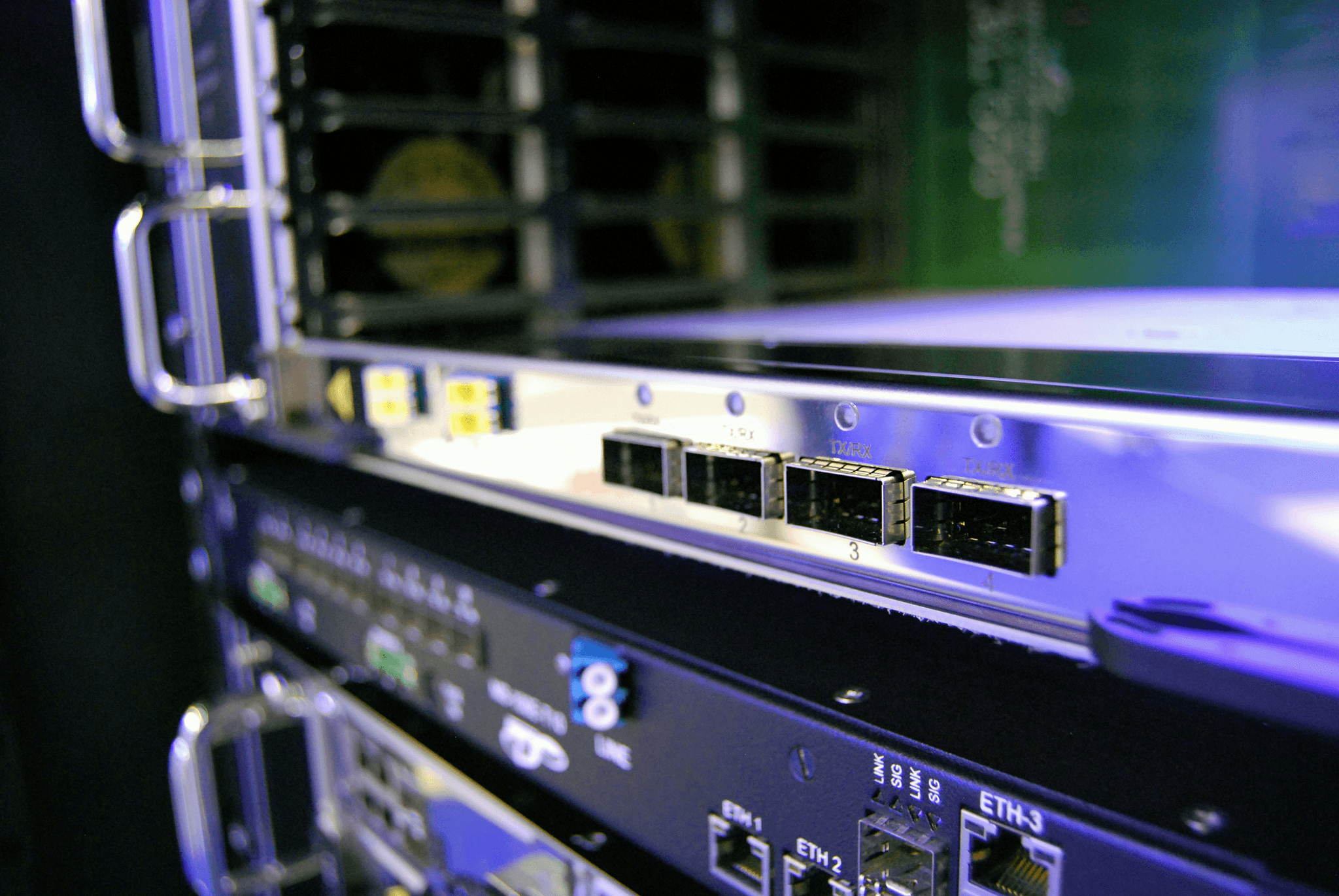
Anycast DNS is an innovative routing technique that enhances the functionality of network automation solutions by directing requests to the nearest available server. This method allows multiple servers to share the same IP address, enabling efficient load balancing and redundancy across a distributed network. As a result, Anycast DNS plays a crucial role in optimizing DNS management and ensuring reliable service delivery.
What is Anycast DNS?
The essence of Anycast lies in its ability to provide fast and reliable responses while maintaining high availability across multiple locations. In scenarios where one server fails or becomes overloaded, traffic can be seamlessly rerouted to another server without impacting user experience. This capability makes Anycast DNS an essential component for modern network orchestration strategies focused on delivering uninterrupted services.
Advantages of Anycast DNS for Reliability
One of the primary advantages of Anycast DNS is its inherent reliability, which stems from its decentralized architecture. By allowing multiple servers to respond to requests for the same IP address, it creates redundancy that minimizes downtime during outages or maintenance activities. This level of resilience is crucial for businesses relying on consistent access to their online resources as part of their broader network automation solutions.
Additionally, Anycast enhances security by distributing traffic across various nodes, making it more challenging for attackers to target specific servers effectively. As threats like DDoS attacks become increasingly sophisticated, having a robust defense mechanism built into your dns management strategy becomes imperative. With intelligent traffic routing capabilities inherent in anycasting technology, organizations can better safeguard their infrastructure while enhancing overall service reliability.
Moreover, real-time monitoring capabilities associated with Anycast enable administrators to track performance metrics and quickly identify potential issues before they escalate into significant problems. By integrating advanced dns monitoring tools with anycast deployment strategies, businesses can achieve unprecedented levels of operational efficiency within their network orchestration frameworks.
Real-World Examples of Anycast DNS Implementation
Several prominent companies have successfully implemented Anycast DNS as part of their broader DDI solutions strategy—demonstrating tangible benefits across various sectors. For instance, content delivery networks (CDNs) utilize this technology extensively; by deploying anycasting techniques at edge locations worldwide, they ensure rapid content distribution while minimizing latency for end-users accessing websites or applications hosted on their platforms.
A notable example includes Cloudflare's use of Anycast within its global infrastructure—allowing millions of websites hosted on its platform to benefit from enhanced speed and reliability through intelligent routing policies powered by big-data analytics like those found in ZDNS offerings. Their implementation showcases how combining cutting-edge technologies such as cloud dns with effective anycasting strategies leads not only to improved user experiences but also substantial cost savings through optimized resource utilization.
Another example comes from major online gaming companies that rely heavily on low-latency connections for real-time gameplay experiences; these firms often deploy anycasting solutions across multiple geographic regions so players can connect seamlessly regardless of location—ensuring minimal lag during critical moments in competitive gameplay scenarios while maintaining robust business continuity through intelligent resolution algorithms offered by providers like ZDNS.
ZDNS: A Leader in DDI Solutions
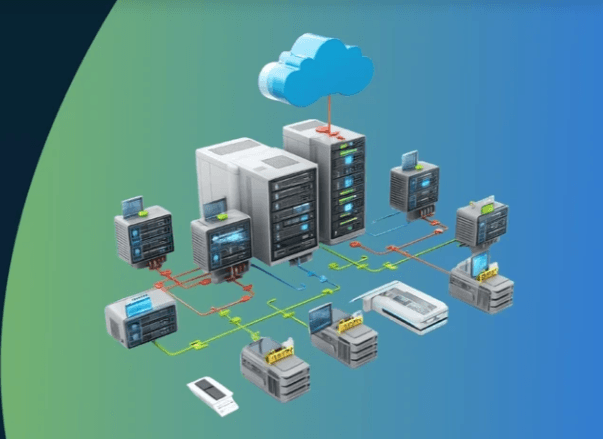
In the realm of network automation solutions, ZDNS stands out as a frontrunner, offering innovative and robust DDI capabilities. With its advanced technology, ZDNS effectively integrates DNS management, DHCP, and IPAM into a seamless solution that empowers organizations to manage their networks with unparalleled efficiency. As businesses increasingly rely on cloud DNS and other digital services, ZDNS provides the reliability and scalability necessary to meet modern networking demands.
High-Scale Resolution Capacity with ZDNS
ZDNS boasts high-scale resolution capacity, driven by big-data analytics that support over one million intelligent routing policies. This capability allows for real-time global visibility into network performance, ensuring that users experience minimal downtime and optimal service delivery. By leveraging this high-scale resolution capacity within network automation solutions, organizations can enhance their overall operational efficiency while reducing latency in DNS management.
Furthermore, this level of scalability is essential in today’s fast-paced digital landscape where the demand for cloud DNS services continues to grow exponentially. Organizations managing extensive networks can rely on ZDNS to handle vast amounts of data traffic without compromising on speed or reliability. This ensures that businesses remain agile and responsive to their customers' needs while maintaining a competitive edge.
Intelligent Traffic Scheduling Offered by ZDNS
Intelligent traffic scheduling is another standout feature offered by ZDNS that significantly enhances network orchestration capabilities. With the ability to manage tens of thousands of connected devices simultaneously, ZDNS ensures efficient handling of hundreds of millions of resolutions per minute—an impressive feat in any networking environment. This level of performance not only optimizes resource allocation but also supports thousands of transactions seamlessly.
By integrating intelligent traffic scheduling into network automation solutions, organizations can ensure balanced loads across their infrastructure while minimizing bottlenecks during peak usage times. The result is a more reliable user experience and improved application performance across all devices connected to the network. Moreover, this capability allows IT teams to focus on strategic initiatives rather than getting bogged down by routine traffic management tasks.
Enhanced Reliability and Business Continuity with ZDNS
Reliability is paramount in today’s interconnected world, and ZDNS excels at enhancing business continuity through its intelligent resolution algorithms. These algorithms improve service availability tenfold compared to traditional systems by dynamically adapting to changing network conditions and user demands—ensuring uninterrupted access for end-users at all times. Coupled with comprehensive technical support available across over sixty global regions, organizations can rest easy knowing they have a robust safety net when it comes to DNS monitoring.
Moreover, enhanced reliability translates directly into business continuity; companies leveraging these advanced features are better equipped to withstand unexpected outages or spikes in demand without compromising service quality or customer satisfaction. As such, investing in reliable DDI solutions like those provided by ZDNS not only safeguards an organization’s operations but also fosters long-term trust with clients who depend on consistent service delivery.
In conclusion, embracing the full suite of features offered by ZDNS positions businesses for success within an increasingly complex networking landscape dominated by cloud technologies and automation needs.
Conclusion
In summary, the integration of DDI solutions into network management is not just a trend; it's a necessity for modern enterprises aiming for operational excellence. By maximizing efficiency through robust dns management, organizations can streamline their networking processes, reduce downtime, and ultimately enhance user experience. As businesses grow and evolve, leveraging advanced tools like cloud dns and effective dns monitoring will be crucial in maintaining a competitive edge.
Maximizing Efficiency with DDI Solutions
DDI solutions play a pivotal role in maximizing efficiency by automating various network functions that were once time-consuming and prone to human error. With integrated dns management, organizations can manage domain names seamlessly while ensuring that their IP address allocations are optimized. Furthermore, the implementation of network orchestration capabilities enables IT teams to respond quickly to changes in network demands without sacrificing reliability or performance.
The benefits of cloud dns cannot be overstated; it offers flexibility and scalability that traditional DNS infrastructures simply cannot match. By utilizing advanced dns monitoring tools within DDI frameworks, businesses gain real-time insights into their network's health and performance metrics. This proactive approach not only minimizes issues before they escalate but also fosters an environment where innovation can thrive.
The Future of Network Automation
The future of network automation solutions is bright, particularly as technologies like Anycast DNS continue to gain traction within the industry. As more organizations adopt these cutting-edge solutions, we can expect an increase in reliability and speed across global networks—transforming how we think about connectivity altogether. Moreover, advancements in artificial intelligence and machine learning will further enhance the capabilities of DDI systems, making them smarter and more adaptive than ever before.
As companies increasingly rely on cloud-based services for their operations, the importance of efficient dns management becomes even more pronounced. The ability to dynamically allocate resources based on real-time data will empower businesses to optimize their networks continuously while ensuring high availability for end-users. In this rapidly evolving landscape, staying ahead means embracing innovative solutions that prioritize both performance and security.
Choosing the Right DDI Provider for Your Needs
Selecting the right DDI provider is crucial for any organization looking to enhance its network automation capabilities effectively. With numerous options available in the market today—including ZDNS—it's essential to evaluate each provider's unique offerings thoroughly. Look for features such as high-scale resolution capacity powered by big-data analytics or intelligent traffic scheduling capabilities that can handle significant transaction volumes without compromising performance.
Additionally, consider providers who offer comprehensive support across various regions; this ensures you have assistance when you need it most—especially during critical incidents impacting business continuity due to unreliable DNS services or other networking issues. Ultimately, aligning your choice with your organization's specific needs will pave the way toward achieving seamless integration of advanced technologies like Anycast DNS into your existing infrastructure.