
Introduction
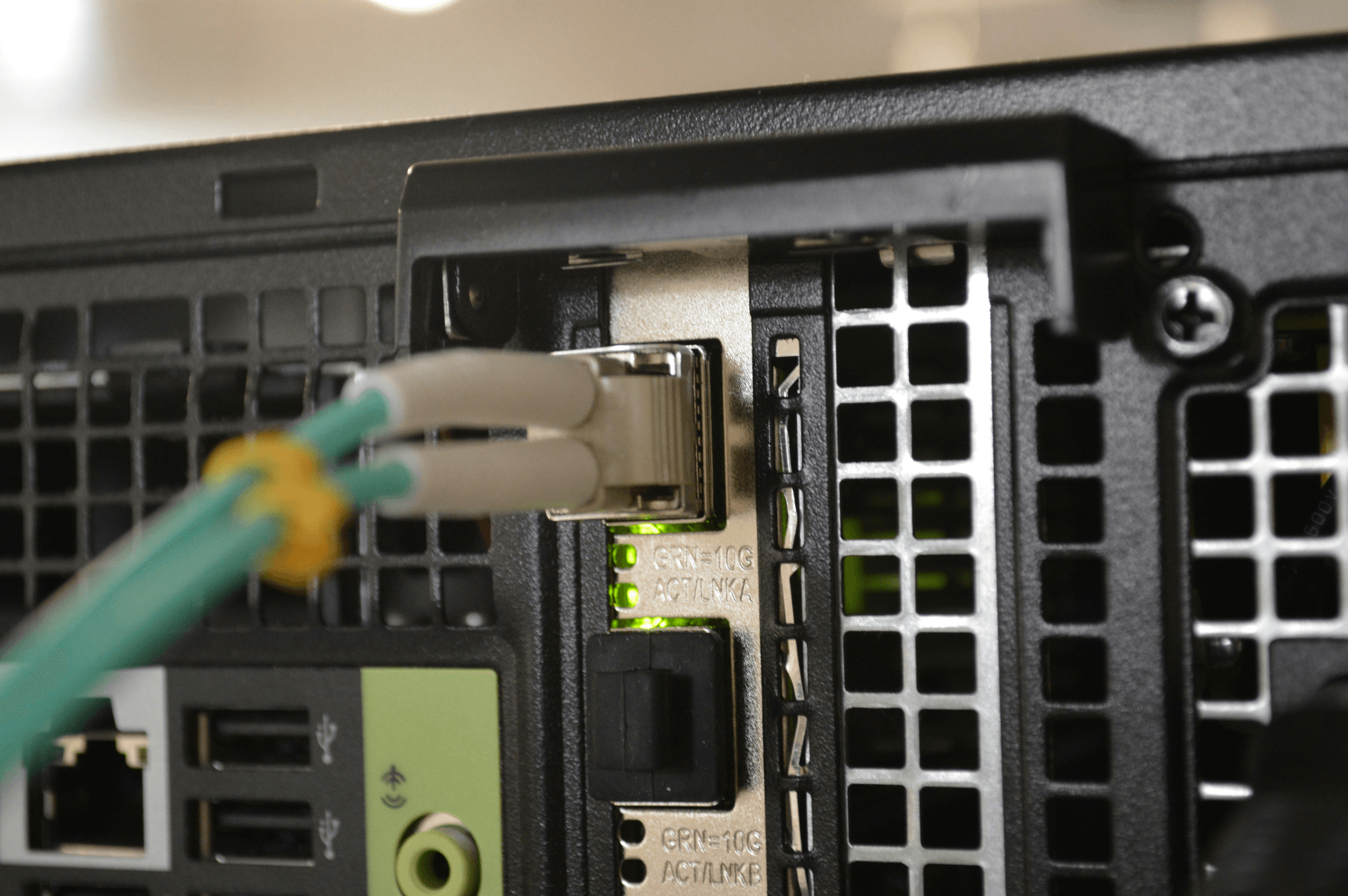
In an era where cyber threats loom large, the need for robust security frameworks has never been more pressing. Enter the Zero Trust model, a paradigm shift in network security that operates on the principle of never trust, always verify. This approach not only emphasizes stringent verification processes but also highlights the significance of network policy management as a foundational element in safeguarding sensitive data and resources.
Understanding Zero Trust Principles
Zero Trust principles advocate for continuous validation of user identities and device integrity before granting access to resources. Rather than assuming that everything within a network is secure, this model promotes a culture of skepticism where every access request is scrutinized. By implementing these principles effectively, organizations can leverage tools like IPAM as Your Policy Map to create detailed blueprints that govern who gets access to what and under which circumstances.
The Importance of Network Identity
At the heart of any successful security strategy lies a strong network identity framework. Network identity not only encompasses user credentials but also extends to devices and applications interacting within the ecosystem. When coupled with Smart DHCP for Context-Aware Admission, organizations can dynamically manage access permissions based on real-time contextual information, ensuring that only authorized entities gain entry while minimizing potential risks.
Setting the Stage with DDI
To fully embrace Zero Trust principles and enhance network identity management, organizations must consider integrating DDI—DNS, DHCP, and IP Address Management—into their infrastructure. DDI serves as the backbone for effective network policy management by providing critical insights into resource allocation and connectivity patterns. By harnessing DDI solutions, businesses can establish a more resilient framework that aligns with their strategic objectives while fortifying defenses against evolving cyber threats.
What is DDI and Why It Matters

In the ever-evolving landscape of cybersecurity, understanding DDI—DNS, DHCP, and IP Address Management—is crucial for modern network policy management. DDI serves as the backbone of network operations, ensuring that devices communicate effectively while maintaining security protocols. By integrating these three components, organizations can streamline their network infrastructure and enhance their overall security posture.
The Role of DNS, DHCP, and IPAM
DNS, DHCP (Dynamic Host Configuration Protocol), and IPAM (IP Address Management) are the trifecta that powers efficient networking. Meanwhile, DHCP automates the assignment of IP addresses to devices on a network, ensuring that every device has a unique identifier without manual intervention; this is where Smart DHCP for Context-Aware Admission comes into play.
IPAM serves as your policy map by providing centralized management of IP addresses and associated metadata. This not only simplifies tracking but also enhances compliance with organizational policies regarding resource allocation and usage. Together, these components form a cohesive unit that supports effective network policy management by allowing administrators to maintain control over how devices interact within the ecosystem.
Enhancing Network Policy Management
Effective network policy management hinges on a clear understanding of how DNS, DHCP, and IPAM work together to enforce security measures. By leveraging these technologies in tandem, organizations can craft policies that dictate which devices can access specific resources based on their roles or context within the organization. This dynamic approach allows for more granular control over access permissions while reducing vulnerabilities associated with outdated or static policies.
Moreover, integrating Smart DHCP for Context-Aware Admission into your DDI strategy enhances flexibility in managing device connectivity based on real-time conditions such as location or time of day. For instance, if an employee connects from an unfamiliar location or at an atypical hour, Smart DHCP can trigger additional authentication steps before granting access—ensuring that only authorized users gain entry to sensitive systems. This capability not only strengthens security but also aligns with broader business objectives by maintaining operational efficiency without compromising safety.
Bridging Identity and Access Control
A robust identity framework is essential for effective access control; this is where DDI shines by bridging these two critical areas seamlessly. With comprehensive visibility into all connected devices through IPAM as Your Policy Map, organizations can enforce identity-based policies that adapt dynamically based on user behavior or context-driven insights from Smart DHCP for Context-Aware Admission. This integration empowers IT teams to create tailored experiences while safeguarding sensitive data against unauthorized access.
Furthermore, bridging identity with network policy management helps establish trust within digital ecosystems—an essential component in today's Zero Trust paradigms. By ensuring that every device's identity is verified before it interacts with other resources in the network environment, organizations mitigate risks related to insider threats or compromised accounts effectively. Thus, embracing this integrated approach not only enhances security but also fosters a culture of accountability across all levels of an organization.
Building a Strong Network Policy Management Framework

In the ever-evolving landscape of cybersecurity, establishing a robust network policy management framework is paramount. This framework serves as the backbone of your network security strategy, ensuring that every device and user is governed by clear rules and guidelines. By effectively managing these policies, organizations can create a secure environment that aligns with their overall business objectives.
Defining Your Network Policy
Defining your network policy is akin to drafting the constitution of your digital realm—it sets the rules everyone must follow. A well-crafted policy outlines who has access to what resources, under which conditions, and how those permissions are enforced. By incorporating Smart DHCP for Context-Aware Admission into this framework, you can dynamically adjust access based on user behavior and contextual factors, ensuring that only authorized users gain entry.
Moreover, a clearly defined network policy helps in minimizing risks associated with unauthorized access or data breaches. It also aids in compliance with various regulatory requirements by establishing accountability and transparency within your organization. As you define your policies, remember to involve key stakeholders from different departments to ensure alignment across the board.
How IPAM Acts as Your Policy Map
IP Address Management (IPAM) acts as your policy map in navigating the complex waters of network policy management. It offers comprehensive visibility into IP address allocation and usage while providing crucial insights for enforcing policies effectively. With IPAM at the helm, organizations can track devices connected to their networks and ensure compliance with established policies seamlessly.
By integrating IPAM into your network infrastructure, you can automate many aspects of policy enforcement—reducing human error while enhancing efficiency. This automation allows for real-time adjustments based on changes in device status or user behavior, making it an essential tool for implementing Smart DHCP for Context-Aware Admission strategies effectively. Ultimately, leveraging IPAM not only streamlines operations but also fortifies security measures across your entire network.
Aligning Policies with Business Objectives
Aligning your network policies with business objectives is crucial for creating a cohesive strategy that supports organizational goals while enhancing security posture through effective network policy management practices. Each policy should reflect not only technical needs but also operational priorities—ensuring that security measures do not hinder productivity or innovation within the organization.
To achieve this alignment, engage stakeholders from various departments early in the process to understand their unique needs and challenges better—this collaborative approach fosters buy-in and facilitates smoother implementation down the line. Additionally, regularly reviewing and updating these policies ensures they remain relevant as business goals evolve over time; this adaptability is key when integrating technologies like Smart DHCP for Context-Aware Admission into an already established framework.
By taking these steps towards aligning policies with business objectives through effective use of IPAM as Your Policy Map and other tools at hand, organizations can build a resilient foundation for their cybersecurity efforts moving forward.
Smart DHCP for Context-Aware Admission

In the ever-evolving landscape of network security, Smart DHCP emerges as a game-changer for context-aware admission. By integrating advanced capabilities into Dynamic Host Configuration Protocol (DHCP), organizations can significantly enhance their network policy management strategies. This sophisticated approach not only streamlines IP address allocation but also ensures that access policies are dynamically adjusted based on real-time contextual information.
The Functionality of Smart DHCP
Smart DHCP goes beyond traditional IP address assignment by incorporating intelligence that allows it to interact with various components of the network. It leverages data from the Network Policy Management framework to determine how and when devices should be granted access. This means that instead of a one-size-fits-all approach, Smart DHCP can tailor its responses based on user roles, device types, and even current security postures.
With this functionality, organizations can create a more secure environment where policies are not static but evolve with changing circumstances. For instance, if an employee connects a personal device to the corporate network, Smart DHCP can assess its risk level and apply appropriate restrictions or permissions accordingly. In doing so, it acts as a vital element in your IPAM as Your Policy Map strategy, ensuring that every network connection aligns with established policies.
Adapting Access Based on Context
The true power of Smart DHCP lies in its ability to adapt access based on context—an essential feature in today’s fluid work environments. By analyzing parameters such as location, time of day, and even user behavior patterns, it creates an agile framework for managing who gets access to what resources at any given moment. This capability is particularly important in implementing Zero Trust principles where trust is never assumed and must be continuously validated.
For example, if a user attempts to log in from an unfamiliar location or device, Smart DHCP can trigger additional verification steps before granting full access rights. This context-aware admission process minimizes potential vulnerabilities while allowing legitimate users seamless connectivity based on their specific needs and circumstances. As organizations continue to embrace digital transformation initiatives, leveraging Smart DHCP as part of their network policy management will be crucial for maintaining robust security measures.
Real-world Applications of Smart DHCP
Numerous industries are reaping the benefits of implementing Smart DHCP within their network policy management frameworks. In healthcare settings, for instance, hospitals utilize this technology to ensure that medical devices only connect under secure conditions tailored specifically for patient safety and data integrity. By dynamically adjusting permissions based on real-time assessments of each device's risk profile, healthcare providers can better protect sensitive patient information.
Similarly, educational institutions have adopted Smart DHCP solutions to manage student devices effectively during peak usage times like exams or online classes while ensuring compliance with institutional policies regarding internet access and bandwidth usage. These real-world applications highlight how integrating smart technologies into existing infrastructure not only enhances security but also improves overall operational efficiency across various sectors.
ZDNS: Leading the DDI Revolution
In the ever-evolving landscape of network security, ZDNS stands out as a pioneering force in the DDI (DNS, DHCP, IPAM) arena. By integrating advanced technologies and innovative practices, ZDNS is redefining how organizations manage their network policy management frameworks. With a focus on Smart DHCP for context-aware admission and seamless IPAM as your policy map, ZDNS is setting new standards for efficiency and security.
Overview of ZDNS and Its Innovations
ZDNS has revolutionized the way businesses approach DDI solutions by introducing cutting-edge innovations that enhance network policy management. Their platform incorporates AI-driven analytics to provide real-time insights into network performance and security posture. With features like Smart DHCP for context-aware admission, organizations can dynamically adjust access based on user behavior and device status, ensuring that only authorized entities interact with critical resources.
Furthermore, ZDNS's integration of IPAM as your policy map allows for streamlined management of IP addresses while aligning with overarching business objectives. This holistic approach not only simplifies operational complexities but also enhances visibility across the entire network infrastructure. As companies increasingly adopt Zero Trust principles, ZDNS’s innovations are proving to be indispensable in fortifying their defenses against evolving threats.
Market Impact and Industry Leadership
The impact of ZDNS on the market cannot be overstated; it has emerged as a leader in redefining how organizations think about their DDI strategies. By prioritizing user-centric design and robust security protocols within its offerings, ZDNS has garnered significant attention from industry leaders seeking to bolster their network policy management efforts. Their commitment to innovation positions them at the forefront of a rapidly evolving cybersecurity landscape.
ZDNS's leadership is further evidenced by its collaborative partnerships with various technology providers, enhancing interoperability across diverse infrastructures. This collaborative spirit not only strengthens their solution offerings but also fosters an ecosystem where best practices can flourish among industry peers. As more organizations recognize the importance of integrated DDI solutions in achieving comprehensive security postures, ZDNS continues to lead the charge with its forward-thinking strategies.
Successful Case Studies with ZDNS
Numerous organizations have successfully implemented ZDNS's solutions to enhance their network policy management frameworks while achieving remarkable results. For instance, a global financial institution leveraged Smart DHCP for context-aware admission to significantly reduce unauthorized access incidents by over 30%. By utilizing IPAM as your policy map within this framework, they could align their policies directly with compliance requirements while maintaining operational efficiency.
Another notable case involves a healthcare provider that adopted ZDNS’s innovations to streamline patient data access securely across multiple locations. The implementation not only improved staff productivity by 25% but also ensured that sensitive information was protected through dynamic access controls enabled by Smart DHCP technology. These success stories highlight how embracing innovative solutions like those offered by ZDNS can yield substantial benefits in both security posture and operational performance.
Integration Strategies for Your DDI Solution
Integrating your DDI solution into an existing infrastructure can be a game-changer for enhancing network policy management. It’s essential to ensure that the new components work seamlessly with your current systems, making the transition smooth and efficient. By leveraging technologies like IPAM as Your Policy Map, organizations can create a unified approach to managing IP addresses and network policies.
Connecting DDI with Existing Infrastructure
To effectively connect DDI with existing infrastructure, one must first assess the current environment. Understanding how DNS, DHCP, and IPAM interact within your setup is critical for successful integration. This assessment allows you to identify potential gaps in network policy management that can be addressed by implementing Smart DHCP for Context-Aware Admission.
Once you have a clear picture of your existing architecture, it's time to map out how DDI will fit in. Ensure that the integration process aligns with current networking protocols and security measures already in place. This alignment not only enhances operational efficiency but also strengthens overall network policy management by providing better visibility and control over resources.
Best Practices for Smooth Integration
When embarking on the integration journey, it’s vital to follow best practices that facilitate a seamless transition. Start by establishing a clear roadmap outlining each step of the integration process while considering how IPAM as Your Policy Map will play into this framework. This roadmap should include timelines, resource allocation, and roles responsible for executing various tasks.
Communication is another key aspect; keep all stakeholders informed throughout the process to avoid misunderstandings or disruptions in service. Regular updates help ensure everyone is on the same page regarding changes in network policy management procedures or access protocols driven by Smart DHCP for Context-Aware Admission features being introduced.
Lastly, don't overlook testing! Before fully deploying your integrated DDI solution, conduct thorough testing phases to identify any issues or bottlenecks in performance or functionality. Testing ensures that when you go live with new integrations, they enhance rather than hinder operational capabilities related to network policy management.
Monitoring and Optimizing Performance
Monitoring performance post-integration is crucial for maintaining an efficient DDI system within your organization’s network policy management framework. Utilize advanced analytics tools that provide insights into how well DNS, DHCP, and IPAM are functioning together after deployment—this helps you quickly spot any anomalies or areas needing improvement.
Optimization should be an ongoing effort; regularly review performance metrics against established benchmarks to ensure everything runs smoothly under Smart DHCP for Context-Aware Admission policies. Adjustments may be necessary based on evolving business needs or shifts in technology trends—staying agile is key!
Finally, don’t forget about user feedback! Engaging end-users can provide valuable insights into their experiences interacting with the new system—this information can guide further optimization efforts while reinforcing effective network policy management strategies across departments.
Conclusion
As we draw the curtain on our exploration of Zero Trust principles and DDI, it’s clear that embracing a comprehensive approach to network policy management is not just beneficial—it’s essential. By integrating tools like IPAM as Your Policy Map and Smart DHCP for Context-Aware Admission, organizations can craft a robust security posture that adapts to the ever-evolving threat landscape. This proactive stance not only fortifies defenses but also enhances operational efficiency, ensuring that every access request is scrutinized through the lens of identity verification.
Embracing Zero Trust with DDI
The adoption of Zero Trust principles requires a paradigm shift in how we perceive and manage network access. With DDI at the forefront, organizations can effectively implement network policy management strategies that prioritize identity verification at every level. Utilizing IPAM as Your Policy Map allows businesses to visualize their networks comprehensively while ensuring policies are consistently enforced across all devices and users.
Moreover, Smart DHCP for Context-Aware Admission plays a pivotal role in this transition by dynamically adjusting access based on real-time context. This means that rather than relying on static permissions, organizations can respond agilely to changing conditions, enhancing security without sacrificing user experience. In essence, embracing Zero Trust with DDI empowers organizations to create a more resilient network environment.
The Path Forward for Network Security
As we look ahead, it’s evident that the path forward for network security will be paved with innovation and adaptability. Organizations must recognize that traditional perimeter-based defenses are no longer sufficient; instead, they must adopt an integrated approach to network policy management that leverages advanced technologies like IPAM as Your Policy Map and Smart DHCP for Context-Aware Admission. These tools not only streamline operations but also ensure compliance with evolving regulatory requirements.
The future will demand continuous monitoring and optimization of these systems to keep pace with emerging threats and vulnerabilities. By investing in training and resources dedicated to these areas, organizations can foster a culture of security awareness among employees while reinforcing their commitment to safeguarding sensitive data. Ultimately, the path forward is one of collaboration between technology and human insight—an essential partnership in achieving lasting network security.
Final Thoughts on Strengthening Identity Foundation
In conclusion, strengthening your identity foundation is not merely an IT initiative; it's a strategic business imperative that underpins trust between users and systems alike. Effective network policy management hinges on utilizing tools such as IPAM as Your Policy Map alongside Smart DHCP for Context-Aware Admission—each element playing its part in crafting an agile yet secure environment. As cyber threats become increasingly sophisticated, so too must our defenses evolve; adopting these innovative solutions lays down the groundwork for resilience against future challenges.
By prioritizing identity within your security framework today, you’ll be better positioned to navigate tomorrow's uncertainties confidently. The journey toward robust network security may be complex but remember: each step taken towards integrating these principles brings you closer to achieving peace of mind in your digital landscape.