
Introduction
In today’s digital landscape, effective DNS management is more crucial than ever. With the increasing complexity of networks, understanding how DNS interacts with DHCP and IPAM has become a necessity for organizations striving for operational efficiency and security. As we delve into the nuances of DNS management, we will also highlight the importance of robust DNS security measures to safeguard against potential threats.
Understanding Complexity in DNS Management
DNS management can often feel like navigating a labyrinth filled with twists and turns. The interplay between DNS servers, DHCP servers, and IP address management (IPAM) adds layers of complexity that can confuse even seasoned IT professionals. Recognizing these complexities is the first step toward streamlining processes and enhancing overall network performance.
The Role of DHCP and IPAM
Dynamic Host Configuration Protocol (DHCP) plays a pivotal role in automating the assignment of IP addresses within a network, making it an essential component in efficient DNS management. Coupled with IPAM, which provides visibility and control over IP address allocations, organizations can better manage their resources while reducing human error. Together, these tools ensure that each device receives an appropriate address while maintaining seamless communication within the network.
Importance of DNS Security
In an era where cyber threats are on the rise, neglecting DNS security is not an option any organization can afford to consider. With vulnerabilities in DNS hosting potentially exposing sensitive data or allowing unauthorized access to critical systems, implementing strong security measures is paramount. By prioritizing DNS security alongside effective management practices, businesses can protect themselves from attacks while ensuring reliable service delivery.
The Basics of DNS Management

Key Components: DNS Server and DHCP Server
The DHCP (Dynamic Host Configuration Protocol) server automatically assigns IP addresses to devices on a network, ensuring they can communicate effectively without manual configuration.
These two servers work in harmony; while DHCP provides devices with IP addresses, it also updates the associated records in the DNS server automatically. This seamless integration minimizes human error during setup and enhances overall network efficiency by ensuring that every device has a corresponding entry in the DNS database. Understanding this relationship is critical for managing both systems effectively.
The Link Between DNS and IP Address Management
IP Address Management (IPAM) plays a significant role in optimizing both DHCP and DNS functionalities within an organization’s infrastructure.
Effective integration between DNS, DHCP, and IPAM not only streamlines operations but also bolsters security measures against potential threats such as spoofing attacks or unauthorized access attempts. With robust IPAM practices in place, organizations can ensure that all devices are accounted for while maintaining accurate records within their **DNS hosting** environment—ultimately enhancing overall system reliability.
Moreover, leveraging solutions like ZDNS offers additional advantages such as high-scale resolution capacity supported by big-data analytics—crucial when managing extensive networks with thousands of connected devices needing efficient routing policies daily. As businesses continue to expand their digital footprint, mastering these foundational elements will be pivotal for achieving seamless connectivity across diverse platforms while fortifying their defenses against evolving cyber threats.
How Complex DNS Management Affects Networks

In today's digital landscape, effective DNS management is crucial for maintaining a healthy network. The complexity of managing DNS can lead to numerous challenges that impact not only performance but also security. Understanding these complexities can help organizations streamline their operations and enhance their overall network functionality.
Identifying Common Pitfalls
One of the most significant pitfalls in DNS management is misconfiguration, which often stems from a lack of understanding of how DHCP and IPAM interact with the DNS server. When settings are improperly aligned, devices may not resolve correctly, leading to downtime and frustrated users. Additionally, over-reliance on manual processes can result in inconsistencies that further complicate management efforts.
Another common issue arises from insufficient documentation and change management practices within the DNS hosting environment. Without proper records of changes made to the DNS server or DHCP server configurations, troubleshooting becomes a daunting task when problems arise. This lack of transparency can lead to errors that propagate through the network, causing widespread issues.
Lastly, neglecting regular audits and updates can leave networks vulnerable to security threats while also hindering performance. Outdated configurations or unpatched vulnerabilities in your DNS management system create opportunities for malicious actors to exploit weaknesses. By recognizing these pitfalls early on, organizations can take proactive steps toward more effective DNS management.
Impact on Network Performance
Complexities in DNS management directly affect network performance by introducing latency and reducing efficiency in data resolution processes. This lag not only frustrates users but can also hinder critical business operations that rely on timely access to resources.
Moreover, poorly managed IP address assignments can lead to conflicts that disrupt connectivity across the network. If multiple devices are assigned the same IP address due to inadequate oversight within your IPAM strategy, it results in immediate communication failures and increased troubleshooting time for IT teams. Such disruptions ripple through applications reliant on stable connections—think e-commerce platforms or cloud services—ultimately affecting user satisfaction.
The Ripple Effect on Security
The complexities surrounding DNS management have far-reaching implications for security protocols within an organization’s infrastructure as well. A single vulnerability exploited via poor dns security practices could lead to catastrophic breaches affecting sensitive data across multiple systems.
Lastly—and perhaps most critically—the interdependence between dns management practices and overall cybersecurity posture cannot be overstated; neglecting one aspect invariably undermines others down the line! As such organizations must prioritize holistic approaches encompassing both efficient operational workflows alongside stringent protective measures safeguarding against external risks posed by malicious actors lurking just beyond firewalls waiting patiently until vulnerabilities arise...
Simplifying Your DNS Approach

In the complex world of DNS management, simplicity is your best friend. By adopting best practices, leveraging advanced solutions like ZDNS, and streamlining processes through automation, organizations can enhance their DNS operations while ensuring robust security and performance. Let’s dive into how you can simplify your approach to DNS management effectively.
Best Practices for DNS Management
Implementing best practices in DNS management is crucial for maintaining a secure and efficient network environment. Firstly, regularly updating your DNS records ensures that your dns server functions smoothly and accurately reflects the current state of your network. Additionally, integrating DHCP with IPAM helps streamline the assignment of IP addresses while minimizing conflicts and enhancing overall dns security.
Another essential practice is monitoring your dns server's performance continually; this allows you to identify potential issues before they escalate into significant problems. Establishing a backup strategy for your DNS data is equally important; after all, losing critical information can lead to downtime and vulnerabilities in dns hosting services. Lastly, ensure that all staff involved in managing these systems are well-trained on both technical aspects and security protocols to maintain an effective dns management strategy.
Utilizing ZDNS for Scalability
When it comes to scaling your dns management efforts, ZDNS stands out as a game-changer. This innovative solution offers high-scale resolution capacity powered by big-data analytics, which supports over one million intelligent routing policies with real-time global visibility—perfect for organizations experiencing rapid growth or fluctuating demands on their networks. With ZDNS managing tens of thousands of connected devices and handling hundreds of millions of resolutions per minute, businesses can focus on core activities without worrying about performance bottlenecks.
Moreover, ZDNS enhances reliability through intelligent resolution algorithms that significantly improve business continuity tenfold—no more worrying about downtime during peak hours! Coupled with comprehensive technical support across over sixty global regions, ZDNS provides peace of mind that every aspect of your dns hosting is covered efficiently. In today’s fast-paced digital landscape, utilizing such scalable solutions allows organizations to adapt quickly while maintaining robust dns security measures.
Streamlining with Automated Solutions
Automation plays a pivotal role in simplifying dns management processes by reducing manual tasks and minimizing human error. By implementing automated solutions for routine tasks like record updates or IP address assignments from DHCP servers using IPAM tools, organizations can save time and resources while ensuring accuracy across their networks. This not only streamlines operations but also enhances overall efficiency in managing the complex relationships between various components involved in dns hosting.
Furthermore, automated monitoring tools can proactively alert administrators about potential issues or irregularities within the dns server environment—allowing teams to respond swiftly before problems escalate into outages or breaches affecting dns security. As technology continues to evolve rapidly, embracing automation will help businesses stay ahead by providing reliable services without compromising quality or safety standards in their network infrastructure.
Enhancing DNS Security
In today's interconnected world, enhancing DNS security is more crucial than ever. With the increasing reliance on DNS management for routing internet traffic, vulnerabilities can lead to significant disruptions and data breaches. Therefore, implementing robust security measures is not just a good practice; it’s essential for safeguarding your network infrastructure.
Why DNS Security Cannot Be Overlooked
DNS security acts as the first line of defense against various cyber threats that can compromise your entire network. When hackers target a dns server, they can redirect users to malicious sites or disrupt services entirely, which can be devastating for businesses relying on consistent online presence. Furthermore, neglecting dns security not only jeopardizes sensitive data but also erodes trust with clients and customers who expect reliability.
Moreover, as organizations increasingly adopt cloud solutions and IoT devices, the complexity of managing DNS alongside DHCP and IPAM systems grows exponentially. Each additional layer of technology introduces new attack surfaces that need vigilant monitoring and protection. Thus, ensuring comprehensive dns management strategies that prioritize security becomes paramount in today’s digital landscape.
Tools and Strategies for Better Protection
To bolster your dns security framework effectively, utilizing advanced tools is imperative. Solutions like DNS firewalls provide an additional layer of protection by filtering out malicious traffic before it reaches your dns server or dhcp server. Additionally, implementing DNSSEC helps ensure the integrity of responses from your dns server by enabling authentication of origin.
Regular audits are another critical strategy in maintaining strong dns management practices; they help you identify vulnerabilities before they can be exploited. Utilizing automated monitoring tools also allows for real-time alerts regarding potential threats or anomalies in network behavior linked to both DNS and DHCP activities. With these proactive measures in place, organizations can significantly reduce their risk profile while enhancing overall operational efficiency.
The Role of DNS Hosting in Security
Choosing a reliable dns hosting provider is vital for maintaining high levels of security in your infrastructure. A reputable provider will offer features such as DDoS protection and redundancy to ensure that even during attacks or outages, your services remain functional and secure. Moreover, many modern hosting solutions integrate seamlessly with IPAM systems to streamline management processes while reinforcing security protocols across networks.
When selecting a dns hosting service, look for one that provides comprehensive support for advanced configurations like CDN integration or load balancing—these features not only enhance performance but also add layers of defense against potential threats targeting both your dns server and dhcp server environments. Additionally, consider options like ZDNS which offers high-scale resolution capacity backed by intelligent analytics; this ensures optimal traffic management while improving reliability tenfold.
In conclusion, enhancing dns security requires a multifaceted approach involving robust tools and strategic planning within the realms of DNS management and beyond. By leveraging advanced technologies such as ZDNS alongside best practices for monitoring and auditing systems regularly, organizations can fortify their defenses against evolving cyber threats effectively.
Future Trends in DNS Management

The landscape of DNS management is evolving rapidly, driven by technological advancements and changing network demands. As organizations seek to simplify their processes and enhance security, the shift toward cloud-based solutions is becoming increasingly prevalent. This transition not only streamlines operations but also integrates seamlessly with DHCP and IPAM systems, fostering a more cohesive environment for managing DNS servers.
The Shift Toward Cloud-Based Solutions
Cloud-based solutions are revolutionizing DNS management by offering scalability and flexibility that traditional on-premises setups simply can't match. With cloud hosting, businesses can easily scale their dns server resources to meet fluctuating demands without the need for extensive hardware investments. Furthermore, these solutions often come with built-in redundancy and enhanced dns security features that protect against various threats while ensuring high availability.
As organizations migrate to the cloud, they benefit from centralized management of both DHCP and IPAM functions alongside their DNS services. This integration facilitates better coordination between dynamic IP address allocation, reducing potential conflicts and errors in network configurations. Ultimately, embracing cloud-based dns hosting allows companies to focus on strategic initiatives rather than getting bogged down by complex infrastructure management.
Impact of AI on DNS and DHCP Management
Artificial Intelligence (AI) is poised to transform how we approach dns management and DHCP operations significantly. By leveraging machine learning algorithms, AI can analyze vast amounts of data generated by dns servers to identify patterns or anomalies that might indicate potential issues or security breaches. This proactive approach enables IT teams to address problems before they escalate into significant outages or breaches.
Moreover, AI-driven tools can optimize traffic routing through intelligent decision-making processes based on real-time data analytics—think ZDNS's high-scale resolution capacity powered by big-data analytics! These capabilities allow organizations to manage tens of thousands of connected devices efficiently while handling hundreds of millions of resolutions per minute without breaking a sweat. In this way, AI not only enhances operational efficiency but also improves overall network performance through smarter resource allocation.
Preparing for the Next Generation of DNS Security
As cyber threats continue to evolve, preparing for the next generation of dns security is essential for any organization relying on robust internet connectivity. Future-proofing your dns management strategy involves adopting cutting-edge security measures such as DNSSEC and implementing advanced threat detection systems capable of identifying unusual traffic patterns associated with attacks like DDoS (Distributed Denial-of-Service).
In addition to these strategies, businesses should consider partnering with reputable dns hosting providers that prioritize security in their service offerings—ensuring that your data remains protected against unauthorized access while maintaining optimal performance levels across your network infrastructure. Staying ahead means continuously evaluating emerging technologies in conjunction with established best practices in both DHCP management and IPAM strategies as part of an integrated approach toward enhancing overall cybersecurity posture.
Conclusion
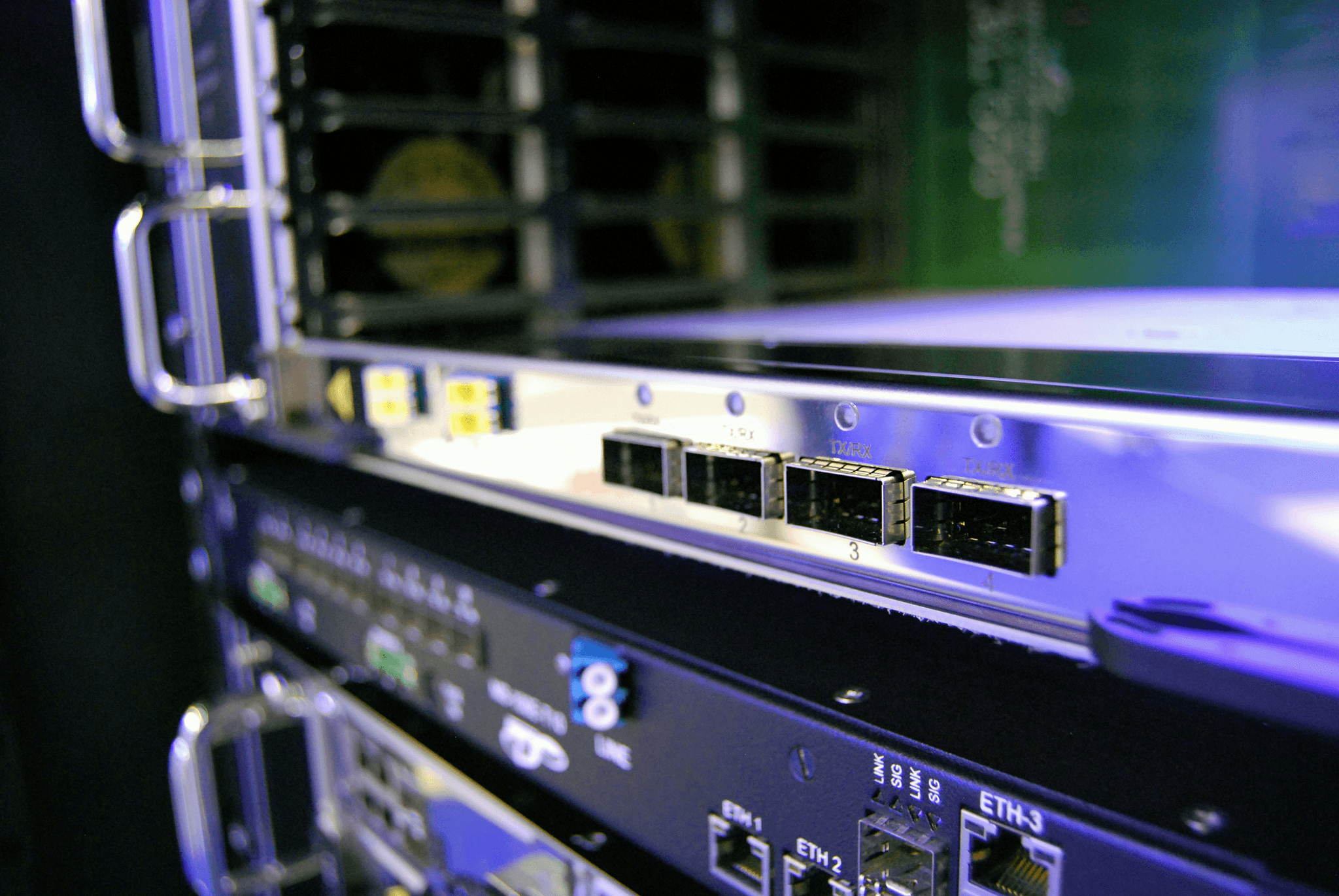
In the ever-evolving landscape of networking, effective DNS management is essential for maintaining a robust and secure infrastructure. By understanding the intricate relationships between DNS, DHCP, and IPAM, organizations can optimize their network performance while safeguarding against potential threats. The future of DNS management lies in embracing technology that simplifies operations and enhances security.
Key Takeaways for Effective DNS Management
To achieve effective DNS management, organizations must first recognize the critical role of the dns server and dhcp server in their network architecture. Implementing best practices such as regular audits, documentation, and utilizing advanced solutions like ZDNS can significantly streamline operations. Additionally, fostering a culture of continuous learning about dns security will help teams stay ahead of emerging threats.
Avoiding Common DNS Management Mistakes
Common pitfalls in dns management often stem from neglecting proper configuration or failing to integrate DHCP with IPAM effectively. Overlooking these connections can lead to performance bottlenecks or security vulnerabilities that could compromise your entire network. To avoid these mistakes, it’s vital to invest time in training staff and ensuring all systems are updated regularly.
Embracing Technology for Simplicity and Security
The integration of cutting-edge technologies into dns management practices is no longer optional; it’s essential for staying competitive. Solutions like ZDNS not only simplify complex tasks but also enhance reliability through intelligent resolution algorithms backed by global support networks. By adopting such technologies, organizations can ensure a more resilient infrastructure while maintaining high standards for dns security.