
Introduction
In today’s tech-driven world, managing networks in large venues presents unique challenges, and this is where the importance of Dynamic Host Configuration Protocol (DHCP) comes into play. DHCP is crucial for automating the assignment of IP addresses and other network configurations, ensuring seamless connectivity for thousands of devices. Without effective DHCP management, large venues risk experiencing connectivity issues that can disrupt operations and frustrate users.
Understanding the Importance of DHCP in Large Venues
In large venues such as stadiums, conference centers, and airports, the sheer volume of devices requiring network access makes efficient DHCP management essential. Each device needs to be assigned a unique IP address through various DHCP options to ensure proper communication within the network. The significance of the DHCP gateway option cannot be overstated; it directs traffic appropriately and ensures that devices can access external networks without a hitch.
Key Challenges of Managing DHCP
Despite its advantages, managing DHCP in expansive environments poses several challenges that IT teams must navigate carefully. One such challenge involves ensuring robust cyber security measures are in place to prevent unauthorized access and potential attacks on the network infrastructure. Additionally, with multiple cisco dhcp options available, selecting the right configuration can be overwhelming for administrators who must balance performance with security considerations.
Benefits of Effective DHCP Management
Effective management of DHCP not only streamlines network operations but also enhances overall security through strategic implementations like dhcp security measures and cloud security solutions. By leveraging services like dhcp as a service, organizations can offload some responsibilities to specialized providers while maintaining control over critical aspects of their networks. Ultimately, well-executed DHCP management leads to improved user experience and operational efficiency in large-scale settings.
Overview of DHCP and Its Functions

Dynamic Host Configuration Protocol (DHCP) is a network management protocol used to automate the process of configuring devices on IP networks. By dynamically assigning IP addresses and other network configuration parameters, DHCP simplifies administration in large venues, where managing static IPs can become a daunting task. Understanding how DHCP works is crucial for IT teams aiming to enhance network efficiency while maintaining robust cyber security measures.
What is DHCP and How It Works
At its core, DHCP operates on a client-server model where the DHCP server assigns an IP address to each client device requesting one. When a device connects to the network, it broadcasts a request for an IP address; the server receives this request and responds with an available address along with other dhcp options like subnet mask and default gateway. This automated process not only saves time but also minimizes human error, making it essential for any organization that prioritizes effective network management.
The beauty of DHCP lies in its ability to manage large numbers of devices without manual intervention, which is particularly beneficial in venues such as stadiums or conference centers. Here, thousands of devices might connect simultaneously, making traditional static configurations impractical. By leveraging cloud security solutions alongside effective DHCP management practices, organizations can ensure that their networks remain secure while accommodating fluctuating demands.
Key DHCP Options You Should Know
When working with DHCP, there are several key options that administrators should be familiar with to optimize their configuration settings. These include options for DNS servers, lease times, and router settings among others—each playing a vital role in how devices communicate within the network environment. Understanding these dhcp options not only improves connectivity but also enhances overall user experience by ensuring devices receive appropriate configurations based on their needs.
For instance, adjusting lease times can help manage how long an IP address remains assigned to a device before being released back into the pool for reassignment. This flexibility allows organizations to maintain control over their IP resources efficiently while minimizing conflicts that could arise from overlapping assignments. Additionally, knowing which dhcp options are available enables IT teams to tailor configurations based on specific venue requirements or user behaviors.
Furthermore, utilizing Cisco dhcp options can significantly enhance scalability as businesses grow or technology evolves within large venues. With these advanced features at your disposal, you can easily adapt your network infrastructure without compromising performance or security—a win-win scenario!
Importance of DHCP Gateway Option
The DHCP gateway option is often overlooked but plays a critical role in ensuring seamless communication between different networks or subnets within large venues. By specifying the default gateway through which packets are routed outside the local subnet, this option enables devices to access external resources effectively—an essential feature when dealing with high-density environments like concert halls or sports arenas where multiple networks converge.
Without properly configured gateway options in place via your chosen dhcp provider setup, clients may struggle to communicate beyond their immediate local area—leading to frustration among users who expect smooth connectivity throughout their experience at an event venue. Moreover, integrating cloud security measures alongside robust dhcp security protocols ensures that these gateway communications remain protected against potential threats lurking in today’s increasingly complex cyber landscape.
In summary, understanding the significance of key dhcp options—including the all-important gateway setting—empowers IT teams managing large-scale networks while providing attendees with uninterrupted access during events or conferences alike!
Implementing DHCP in Large Venues
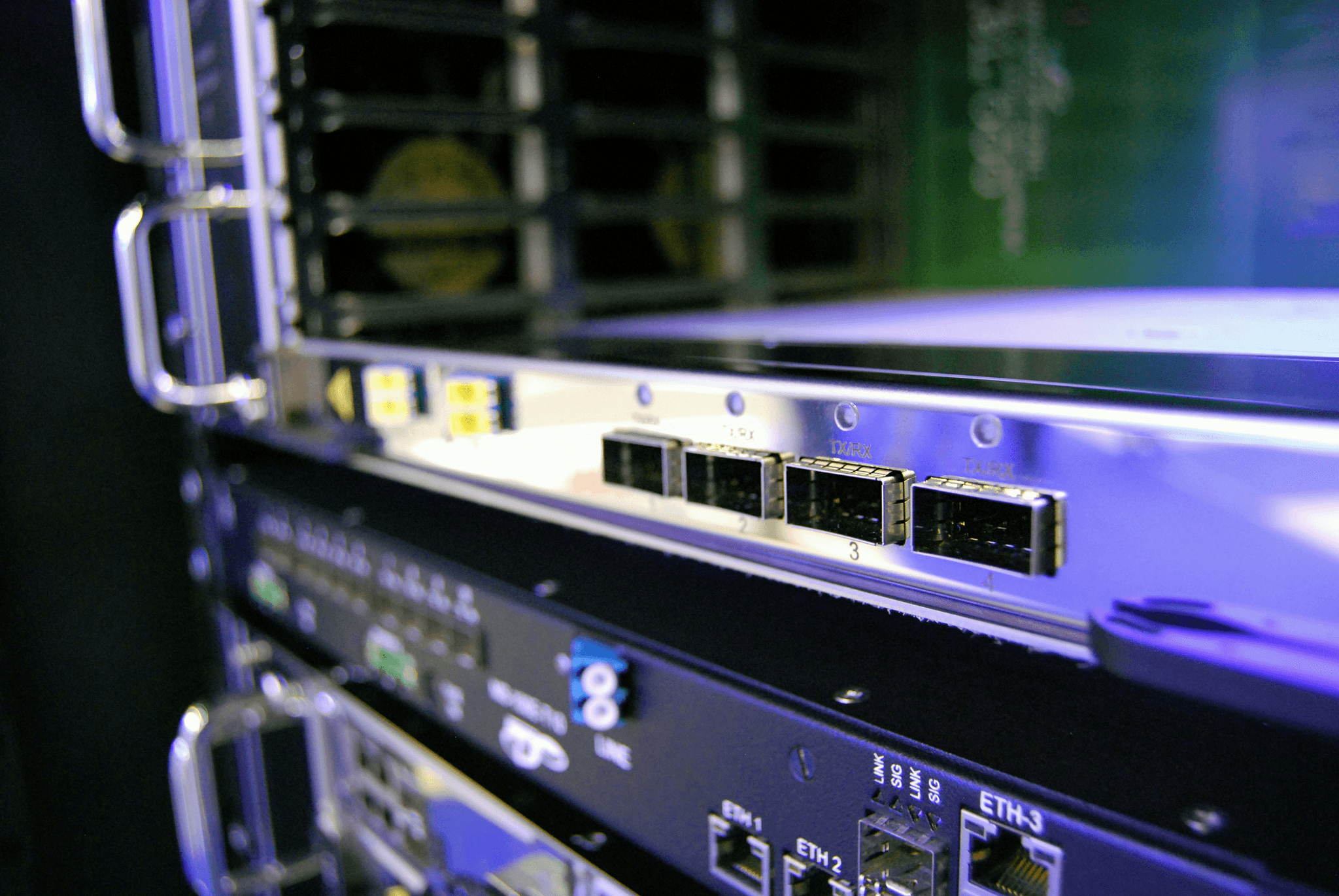
Implementing DHCP in large venues can feel like trying to herd cats—challenging but absolutely necessary for keeping everything running smoothly. With the right approach, you can ensure that your network is efficient, secure, and scalable. Let’s dive into how to choose the right DHCP provider, evaluate Cisco DHCP options for scalability, and deploy strategies that work for large networks.
Choosing the Right DHCP Provider
Selecting a reliable DHCP provider is crucial for ensuring that your network remains stable and secure. When evaluating potential providers, consider their track record with cyber security measures and their ability to support various DHCP options tailored to your venue's needs. A good provider should also offer robust cloud security features to protect against potential threats while managing your dynamic IP addresses efficiently.
It's essential to weigh factors like customer support, scalability options, and integration capabilities with existing systems when making your choice. Look for providers who offer comprehensive documentation on their services and have positive reviews regarding their responsiveness during critical issues. By choosing wisely now, you’ll save yourself a world of headaches down the line as you implement effective DHCP management strategies.
Evaluating Cisco DHCP Options for Scalability
Cisco offers a variety of DHCP options designed specifically with scalability in mind—perfect for large venues where demand can fluctuate dramatically. One key feature is the ability to manage multiple subnets effectively using Cisco’s advanced configuration tools; this ensures seamless connectivity even as devices come and go throughout the day. Additionally, Cisco’s approach allows for easy integration with other networking solutions, enhancing overall performance.
As you explore Cisco's offerings, pay attention to their support for essential dhcp gateway options that can help streamline traffic management across different network segments. The flexibility of these options means you won’t be left scrambling during peak times; instead, you'll have a robust system capable of handling increased demand without compromising service quality or security protocols like dhcp security measures. Ultimately, evaluating these features will empower you to build a resilient infrastructure ready for today’s challenges.
Deployment Strategies for Large Networks
Deploying an effective DHCP solution in large networks requires careful planning and execution—think of it as constructing a well-oiled machine rather than just plugging in some devices! Start by mapping out your network architecture thoroughly; understanding how devices connect will help determine where best to place your servers and what configurations are necessary based on expected traffic patterns.
Consider implementing redundancy through multiple servers or utilizing dhcp as a service models that provide additional layers of reliability without overburdening your internal resources. Moreover, don’t forget about monitoring tools; they play an integral role in identifying issues before they escalate into significant problems by tracking lease times and potential conflicts within IP address assignments regularly. With thoughtful deployment strategies in place backed by solid technology choices like Cisco's offerings or reputable cloud-based solutions, you'll be set up not only for success but also peace of mind!
Enhancing DHCP Security
In an age where cyber threats loom large, enhancing DHCP security is not just a good idea—it's essential. The Dynamic Host Configuration Protocol (DHCP) is a critical component in managing IP addresses across large networks, but its vulnerabilities can be exploited if not properly secured. By implementing best practices and leveraging advanced technologies, organizations can safeguard their networks against potential breaches.
Cyber Security Best Practices for DHCP
To fortify your DHCP setup, start by understanding the common cyber security pitfalls that can compromise your network. Use strong authentication methods to ensure that only authorized devices can connect to your DHCP server; after all, nobody wants an imposter stealing their dhcp options! Regularly updating your DHCP software and firmware is another vital practice; outdated systems are like open invitations for cybercriminals looking to exploit known vulnerabilities.
Moreover, segmenting your network can significantly enhance security by limiting the potential impact of a breach. For instance, using Cisco DHCP options to create separate subnets for different departments helps contain any unauthorized access attempts. Finally, monitor logs frequently for unusual activity—this proactive approach allows you to detect and respond to threats before they escalate.
Implementing DHCP Security Measures
Implementing robust DHCP security measures requires a multi-faceted approach tailored to the specific needs of your organization. Start with enabling features such as Dynamic ARP Inspection (DAI) and IP Source Guard on switches; these tools help prevent malicious users from hijacking dhcp gateway option assignments. Additionally, consider deploying Network Access Control (NAC) solutions that enforce policies on devices attempting to connect through the DHCP server.
Another effective measure is utilizing secure communication protocols like HTTPS or SSH when managing your DHCP service remotely; this ensures that sensitive information remains encrypted during transmission. Don’t forget about regular audits of your configurations and access controls—ensuring only trusted personnel have access can significantly reduce risks associated with human error or insider threats. Finally, integrating cloud security solutions into your overall strategy will provide an additional layer of protection against emerging threats targeting cloud-based services.
Role of Cloud Security in DHCP Management
As organizations increasingly migrate their infrastructure to cloud environments, understanding the role of cloud security in managing DHCP becomes paramount. Cloud-based solutions often come with built-in security features designed specifically for protecting sensitive data and configurations related to dhcp options management. By utilizing these features alongside traditional measures, businesses can create a more resilient network architecture that adapts quickly to changing threat landscapes.
Moreover, leveraging a reputable dhcp provider that offers robust cloud security capabilities allows organizations to scale while maintaining high levels of protection against cyber attacks. This integration not only simplifies management but also enhances visibility into network activity through centralized logging and monitoring tools—a crucial aspect for identifying anomalies within dynamic environments like those employing dhcp as a service models. Ultimately, combining traditional cybersecurity practices with cutting-edge cloud solutions creates a fortified approach towards securing essential networking functions like DHCP.
Leveraging DHCP as a Service
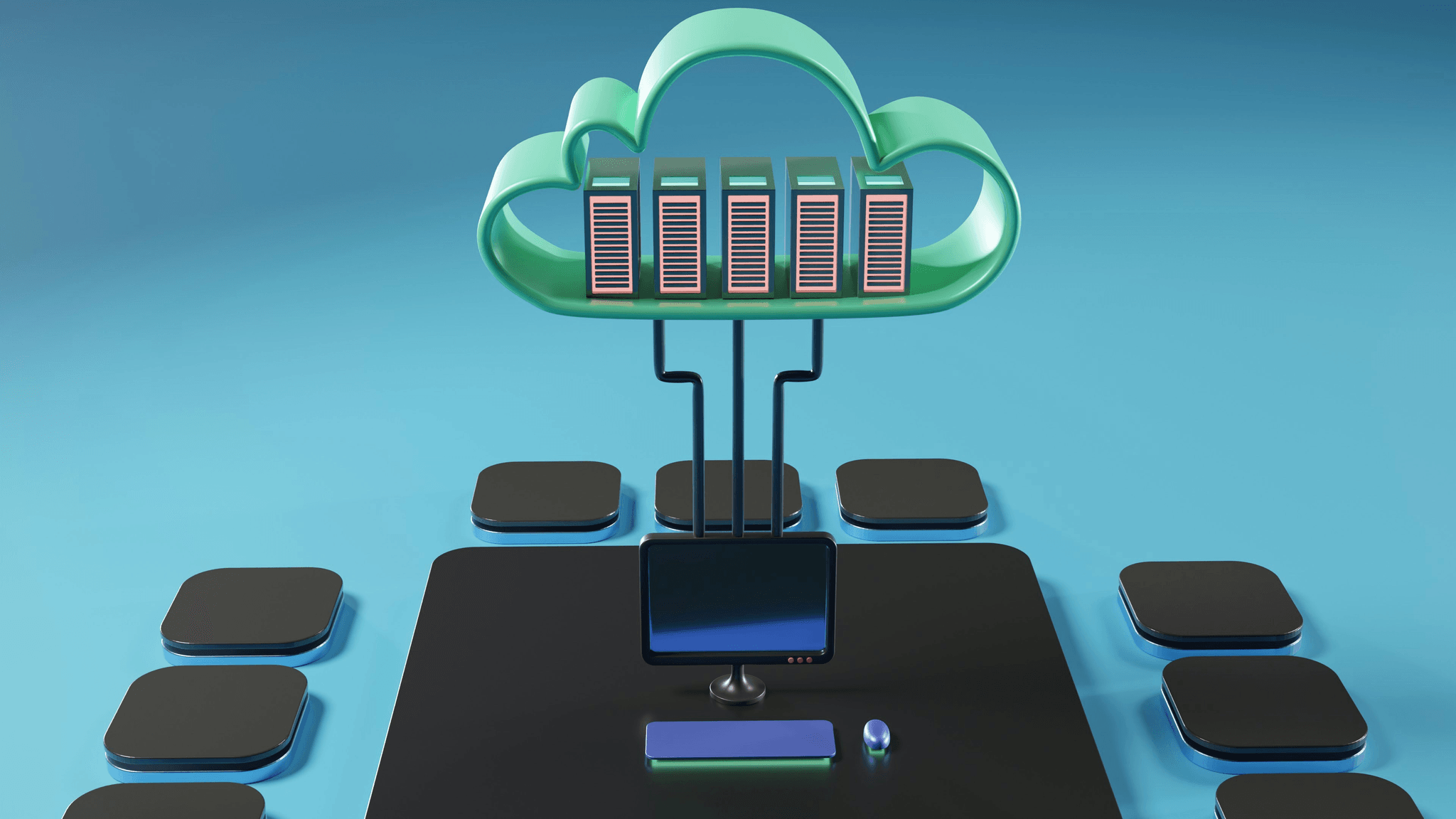
In the ever-evolving landscape of IT management, organizations are increasingly turning to DHCP as a Service (DaaS) to streamline their network operations. This approach allows businesses to offload the complexities of managing Dynamic Host Configuration Protocol (DHCP) servers while ensuring robust service delivery. By leveraging cloud technologies, organizations can enhance their agility and responsiveness, making it easier to adapt to changing demands.
Advantages of DHCP as a Service
One of the primary advantages of DHCP as a Service is scalability; businesses can easily expand their network without worrying about the limitations of traditional hardware-based solutions. With DaaS, companies benefit from automatic updates and maintenance performed by their chosen DHCP provider, ensuring they always operate with the latest security features and enhancements. Additionally, DaaS solutions offer improved reliability through redundancy and failover mechanisms that safeguard against downtime—an essential factor in maintaining seamless connectivity in large venues.
Moreover, utilizing cloud security measures within DaaS frameworks enhances cyber security posture significantly. Since sensitive data is transmitted across networks, employing advanced dhcp security protocols helps protect against unauthorized access and potential breaches. This proactive approach ensures that organizations can focus on delivering services rather than constantly managing infrastructure.
How ZDNS Enhances DHCP Management Efficiency
ZDNS stands out in the crowded field of DaaS by providing tailored solutions that address specific needs related to DHCP management efficiency. By integrating advanced analytics and automation tools into its platform, ZDNS simplifies tasks such as monitoring lease times or identifying potential conflicts with dhcp options configurations. The result is a streamlined process that reduces manual intervention while enhancing overall network performance.
Additionally, ZDNS emphasizes the importance of the dhcp gateway option within its service offerings—ensuring smooth communication between devices on different subnets or networks. This feature not only improves connectivity but also plays a critical role in optimizing bandwidth usage across large venues where multiple devices may be vying for limited resources. With ZDNS's focus on user experience and operational efficiency, organizations gain a competitive edge in managing their networks effectively.
Furthermore, ZDNS incorporates best practices for cyber security directly into its architecture, reinforcing protective measures around DHCP functionalities like lease management and client tracking. By combining cloud security principles with effective dhcp options management strategies, users can rest assured knowing they are leveraging one of the most secure DaaS solutions available today.
Comparing Traditional DHCP with DHCP as a Service
When comparing traditional DHCP implementations with modern DaaS models, several key differences emerge that highlight why many organizations are making the switch. Traditional setups often require significant upfront investments in hardware and ongoing maintenance costs—factors that can strain budgets over time—while DaaS offers more predictable pricing structures based on usage patterns without hidden fees associated with equipment failure or upgrades.
Moreover, flexibility is another area where DaaS shines compared to conventional methods; businesses can quickly adjust their service levels based on current requirements without extensive reconfiguration efforts or additional purchases from vendors like Cisco for specific dhcp options enhancements needed for unique environments. This adaptability allows organizations to stay agile amidst rapid changes in technology landscapes or user demands—a crucial advantage in today’s fast-paced digital world.
Lastly, while traditional systems may struggle with integrating advanced cyber security features seamlessly into existing architectures due to legacy constraints; DaaS providers inherently build these protections into their offerings from day one—including comprehensive dhcp security measures designed specifically for modern threats facing enterprises today! Consequently, opting for DaaS not only simplifies operational burdens but also fortifies defenses against increasingly sophisticated attacks targeting network infrastructures everywhere.
Troubleshooting Common DHCP Issues

Managing a robust DHCP infrastructure in large venues can sometimes feel like navigating a maze. Even with the best DHCP provider and well-defined DHCP options, issues can arise that disrupt network connectivity. This section delves into common problems associated with DHCP, offering solutions to keep your network running smoothly.
Identifying and Resolving DHCP Conflicts
DHCP conflicts typically occur when two devices are assigned the same IP address, leading to connectivity chaos. To identify these conflicts, network administrators can utilize logs from their DHCP server or monitoring tools that track IP address assignments. Once identified, resolving these conflicts may involve adjusting the DHCP lease times or reconfiguring the DHCP gateway option to ensure unique addresses are allocated.
Another effective strategy is to implement static IP assignments for critical devices while allowing dynamic allocation for less essential ones. This hybrid approach minimizes conflict risks and enhances overall network stability. Additionally, regularly reviewing your Cisco DHCP options can help you stay ahead of potential issues by optimizing address pools and reducing overlap.
Monitoring and Managing Lease Times
Lease times dictate how long a device retains its IP address before it must request a new one from the server; thus, managing them is crucial for efficient network performance. Short lease times may lead to frequent renewals that can overwhelm your DHCP server, while excessively long leases might result in wasted IP addresses if devices disconnect unexpectedly. Striking a balance is key—monitoring usage patterns will help determine optimal lease durations tailored to your venue's unique traffic flow.
Utilizing advanced monitoring tools enables real-time visibility into lease time expirations and device connections, allowing for proactive management of available addresses within your pool of DHCP options. Also, integrating cloud security measures ensures that unauthorized access attempts do not compromise your leasing process or lead to potential breaches in cyber security protocols associated with your network infrastructure.
Automating DHCP with Advanced Tools
Automation is a game-changer when it comes to managing large-scale networks effectively; advanced tools can streamline many aspects of the process while minimizing human error. Solutions like DHCP as a Service offer automated provisioning and management features that simplify tasks such as updating configurations or adjusting lease times based on real-time data analysis. By leveraging such automation capabilities alongside traditional Cisco DHCP options, IT teams can focus on strategic initiatives rather than getting bogged down by routine tasks.
Moreover, employing automation tools enhances cyber security by ensuring consistent application of policies across all devices connected via the network's dynamic addressing system. These systems often include built-in alerts for any unusual activity related to IP address assignments or unauthorized access attempts—further fortifying cloud security practices within your organization’s IT framework.
Conclusion
In the ever-evolving landscape of network management, effective DHCP management stands as a cornerstone for seamless connectivity in large venues. By understanding and implementing best practices, organizations can mitigate risks associated with DHCP conflicts and enhance overall network performance. As we look to the future, embracing innovative technologies will be key to overcoming challenges and maximizing the benefits of DHCP.
Best Practices for Successful DHCP Management
To ensure successful DHCP management, it's crucial to regularly review and optimize your DHCP options. Implementing robust cyber security measures is essential; this includes configuring the DHCP gateway option properly and ensuring that unauthorized devices cannot access your network. Leveraging a reliable DHCP provider that offers advanced features can significantly streamline operations, making it easier to manage lease times and avoid conflicts.
Additionally, utilizing Cisco DHCP options can provide scalability needed for large networks while enhancing security protocols tailored for specific environments. Regular audits of your configurations help in identifying potential vulnerabilities early on—especially in areas concerning cloud security and dhcp security practices. By establishing clear policies around IP address allocation and monitoring usage patterns, you can ensure a stable network environment.
Future Trends in DHCP Technology
As technology continues to advance, several trends are emerging within the realm of DHCP that promise to reshape how networks are managed. One significant trend is the transition towards using DHCP as a Service, which allows organizations to offload their infrastructure needs while benefiting from enhanced scalability and flexibility. This model not only reduces overhead costs but also integrates advanced features like automated conflict resolution.
Moreover, as cyber threats become more sophisticated, there’s an increasing emphasis on integrating cloud security solutions with traditional dhcp security measures, ensuring that data integrity remains intact across all devices connected to the network. The rise of IoT devices also necessitates more dynamic handling of IP addresses through improved DHCP options tailored for diverse environments—making it critical for IT teams to stay ahead of these developments.
The Role of IT Teams in Effective DHCP Oversight
IT teams play a pivotal role in overseeing effective DHCP management by constantly adapting strategies based on evolving technologies and organizational needs. Their responsibilities include monitoring performance metrics related to dhcp options implementation while ensuring compliance with cyber security standards across all endpoints connected via the network's infrastructure.
In addition to maintaining optimal configurations such as those offered by Cisco's extensive portfolio of dhcp options, IT professionals must educate staff about potential risks associated with poor dhcp security practices—fostering a culture where everyone is vigilant about cybersecurity threats. Ultimately, empowering IT teams with the right tools—including cloud-based solutions—will enable them not only to manage existing networks effectively but also prepare them for future challenges.