
Introduction
In today's digital landscape, the significance of a DHCP server cannot be overstated. As organizations increasingly rely on dynamic IP address allocation for their devices, having an efficient and reliable DHCP solution becomes paramount. Enter ZDNS, a standout option in the realm of IPAM solutions that not only meets but exceeds expectations.
Understanding the Importance of a DHCP Server
A DHCP server plays a crucial role in managing network resources by automatically assigning IP addresses to devices within a network. This automation reduces the likelihood of human error, streamlining the process and enhancing overall network efficiency. With robust DHCP solutions in place, organizations can ensure seamless connectivity for their users, ultimately driving productivity.
What Makes ZDNS Stand Out
ZDNS distinguishes itself from other DDI solution providers with its innovative features designed to enhance IT management efficiency. Key functionalities such as dual-node load sharing and automatic lease synchronization set it apart from traditional offerings in the market. Furthermore, ZDNS simplifies configuration management, making it one of the best DDI solutions available today.
Benefits for Organizations of All Sizes
Organizations of all sizes can reap significant benefits from implementing ZDNS's advanced DHCP server capabilities. From small businesses to large enterprises, efficient IP address management translates into improved operational reliability and reduced downtime. In an era where seamless connectivity is essential, choosing ZDNS as your DHCP solution ensures that your organization remains agile and competitive.
The Role of DHCP Servers
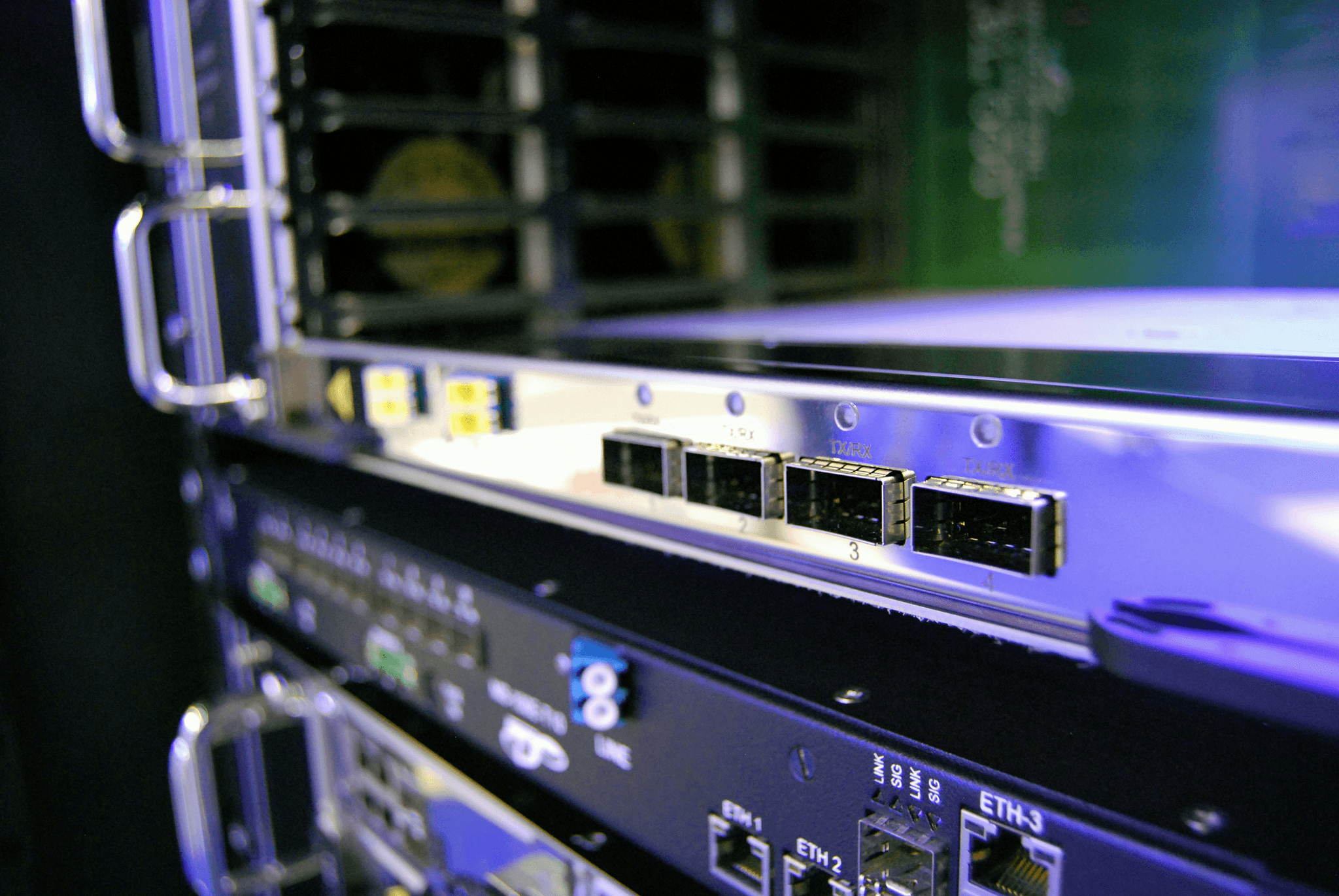
In the realm of network management, DHCP servers play a pivotal role in automating the assignment of IP addresses. By dynamically allocating these addresses to devices on a network, they eliminate the need for manual configurations and reduce human error. This simplification is especially vital for organizations that are scaling rapidly or operating in dynamic environments where devices frequently connect and disconnect.
Simplifying IP Address Assignment
One of the primary functions of a DHCP server is to simplify IP address assignment, which can be a daunting task without automation. With DHCP solutions, organizations can efficiently manage their IP address pools, ensuring that each device gets a unique address without conflicts. This automated process not only saves time but also enhances accuracy, allowing IT teams to focus on more strategic initiatives rather than wrestling with manual configurations.
Enhancing Network Efficiency
The efficiency of a network hinges on its ability to manage resources effectively, and this is where DHCP servers shine. By streamlining the process of assigning IP addresses through advanced DDI solutions Gartner has highlighted as best practices, networks can operate more smoothly with reduced downtime. Moreover, efficient allocation minimizes wasted IP addresses and optimizes bandwidth usage—critical factors for any organization looking to enhance productivity and performance.
Key Features and Functions
DHCP servers come equipped with several key features that elevate their functionality beyond simple address assignment. For instance, ZDNS's DHCP service includes dual-node load sharing for high availability; unified configuration management simplifies policy deployment; automatic lease synchronization ensures real-time consistency; and automatic fault failover minimizes disruptions during failures. These features collectively make ZDNS one of the best DDI solutions available today, setting it apart from other IPAM solutions by providing robust reliability and efficiency.
Why Choose ZDNS for Your DHCP Needs

With ZDNS, businesses of all sizes can leverage advanced technologies that promote seamless connectivity and operational efficiency.
Dual-Node Load Sharing Benefits
One of the standout features of ZDNS is its dual-node load sharing capability, which is crucial for maintaining high availability in modern networks. This functionality ensures that IP address assignments are distributed evenly across multiple nodes, preventing any single point of failure that could disrupt service. By utilizing this feature, organizations can achieve optimal resource distribution while minimizing downtime—an essential consideration when evaluating best DDI solutions available today.
Moreover, dual-node load sharing allows businesses to scale their operations without compromising performance or reliability. As demand grows, ZDNS’s DHCP server can easily adapt by balancing workloads between nodes, ensuring that IPAM solutions continue to function smoothly even during peak usage times. This adaptability makes it an attractive option among DDI solution providers and positions it favorably in insights from IPAM solutions Gartner.
Unified Configuration Management Explained
ZDNS also excels in unified configuration management, offering a streamlined approach to policy deployment across the network. This feature simplifies the often cumbersome process of managing multiple settings on various devices by providing a centralized interface for configuration changes. With unified management capabilities, organizations can ensure consistency and compliance with their DHCP solutions while reducing administrative overhead.
The ease of implementing changes means that IT teams can respond quickly to evolving business needs without getting bogged down by complex configurations or manual updates—an invaluable asset when considering the best IPAM solutions on the market today. Furthermore, this centralized approach enhances security protocols since updates can be applied uniformly across all nodes in real-time, minimizing vulnerabilities associated with outdated configurations.
Automatic Lease Synchronization
Another compelling reason to choose ZDNS is its automatic lease synchronization feature, which guarantees real-time consistency of address information across multiple nodes within the network. This capability ensures that every device connected receives accurate and up-to-date IP address assignments without manual intervention—eliminating potential conflicts and ensuring smooth communication between devices.
Automatic lease synchronization helps maintain an organized pool of available addresses while reducing administrative burdens on IT staff who would otherwise need to monitor leases manually—a task that can be both time-consuming and error-prone in traditional setups. For organizations looking to enhance their operational efficiency through effective IPAM solutions or seeking insights from DDI solutions Gartner reports, this feature is indispensable for maintaining reliability and performance in dynamic environments.
Comparing ZDNS with Other IPAM Solutions
In the ever-evolving landscape of network management, selecting the right DHCP server and IPAM solutions can make all the difference in your organization's efficiency. While ZDNS stands out with its robust features, it’s crucial to explore how it stacks up against other DDI solutions on the market. This section will delve into the best DDI solutions available, evaluate leading DDI solution providers, and summarize insights from Gartner regarding IPAM solutions.
Best DDI Solutions on the Market
When it comes to best-in-class DDI solutions, organizations have a plethora of choices that cater to various needs. Many vendors offer comprehensive DHCP server capabilities alongside advanced IP address management, making them formidable competitors to ZDNS. However, ZDNS distinguishes itself through its dual-node load sharing and automatic lease synchronization features, which ensure high availability and real-time consistency—two critical factors when managing large networks.
Several contenders in this arena include Infoblox, BlueCat Networks, and Men & Mice; each brings unique strengths to their offerings. Infoblox is often praised for its robust security features while BlueCat excels in user-friendly interfaces for managing complex networks. Nevertheless, ZDNS’s unified configuration management simplifies policy deployment across multiple nodes—an advantage that many organizations find invaluable.
Ultimately, choosing among the best DDI solutions requires careful consideration of your organization’s specific needs. Whether you prioritize scalability or ease of integration with existing systems, understanding how these options compare will empower you to make an informed decision about your DHCP server solution.
Evaluating DDI Solution Providers
Selecting a reliable DDI solution provider is essential for ensuring seamless network operations and effective IP address management (IPAM). Key factors to consider include vendor reputation, product capabilities, customer support quality, and pricing structures—all crucial elements that can impact your organization's network performance significantly. When evaluating these providers against ZDNS's offerings, it's important to assess not just features but also how well they align with your operational goals.
For instance, some providers may excel in providing extensive documentation or training resources that facilitate smoother implementation processes for their DHCP server solutions. Others might focus more on innovation and feature sets like automated fault failover or enhanced reporting tools—areas where ZDNS shines with its automatic lease synchronization capabilities ensuring real-time data accuracy across nodes.
Additionally, customer feedback plays a vital role in evaluating potential partners; testimonials from current users can provide valuable insights into how well a provider meets expectations over time. By gathering information on various DDI solution providers and comparing them against ZDNS's strengths—including its unified configuration management—you’ll be better equipped to choose a partner that supports your long-term networking objectives.
IPAM Solutions Gartner Insights
Gartner’s research offers critical insights into the evolving landscape of IPAM solutions and highlights key trends shaping the industry today. According to their latest reports on best practices for selecting DHCP server technologies and overall network management strategies (DDI), organizations are increasingly leaning towards integrated platforms that combine DNS services with DHCP functionality for streamlined operations.
One notable trend is the growing demand for cloud-based IPAM solutions as businesses seek scalable options that adapt easily to changing requirements without compromising performance or reliability—areas where ZDNS excels with its dual-node load sharing benefits ensuring high availability even during peak usage times. Moreover, Gartner emphasizes the importance of automation in enhancing operational efficiency; here again is where ZDNS shines through features like automatic lease synchronization which guarantees real-time consistency across multiple nodes.
As you consider different options available within Gartner’s framework of top-rated IPAM solutions—including those competing directly with ZDNS—it becomes clear that understanding these insights can guide organizations toward making strategic decisions tailored specifically for their unique networking environments.
Implementing ZDNS in Your Organization
Implementing ZDNS as your DHCP server solution can significantly enhance your network management capabilities. With its robust features, organizations can streamline their IP address management and ensure optimal performance across all devices. Here’s a comprehensive guide on how to deploy ZDNS effectively.
Steps to Deployment
The deployment of ZDNS begins with a thorough assessment of your existing network infrastructure and DHCP needs. First, you’ll want to map out the current IP address allocation and identify any potential conflicts or inefficiencies within your DHCP solutions. Once you have a clear picture, follow the installation guidelines provided by ZDNS, ensuring that you configure dual-node load sharing for high availability right from the start.
Next, it’s crucial to set up unified configuration management within ZDNS, which allows for seamless policy deployment across your organization’s network. This step is vital in ensuring that all devices receive consistent settings and updates without manual intervention. Finally, conduct testing phases where automatic lease synchronization is verified to maintain real-time consistency of address information throughout multiple nodes.
Integration with Existing Systems
Integrating ZDNS into your existing systems is where the magic happens; it should feel like a natural extension rather than an overhaul of what you already have in place. Begin this process by assessing how well ZDNS can interface with other tools you're currently using for network management and monitoring—this includes checking compatibility with other IPAM solutions that may already be deployed in your environment.
Once integration points are identified, utilize APIs or connectors that facilitate communication between systems while ensuring that critical data flows seamlessly between them. By doing so, you can enhance the functionality of both legacy systems and new deployments without losing valuable data or disrupting services.
Ensuring High Availability
High availability is non-negotiable when it comes to selecting the best DDI solutions for your organization; this is where ZDNS truly shines with its dual-node load sharing feature. To ensure continuous service during peak loads or unexpected failures, implement automatic fault failover mechanisms provided by ZDNS to allow rapid service transfer without business interruption.
Regularly monitor system performance metrics post-deployment to proactively detect any potential issues before they escalate into outages—this will help maintain consistency and reliability across all DHCP server operations. Lastly, consider scheduling routine maintenance checks as part of your overall strategy for keeping both hardware and software components running smoothly over time.
Troubleshooting Common DHCP Issues

When it comes to managing a network, a reliable DHCP server is essential for assigning IP addresses and ensuring smooth connectivity. However, like any technology, DHCP servers can encounter challenges that can disrupt network operations. Understanding these common issues and knowing how to troubleshoot them can significantly enhance the reliability of your DHCP solutions.
Common Challenges with DHCP Servers
One of the most prevalent challenges faced by DHCP servers is IP address conflicts, which occur when two devices are assigned the same IP address. This situation can lead to connectivity problems and confusion within the network, making it crucial for organizations to monitor their DHCP solutions closely. Additionally, misconfigurations in the DHCP scope or lease times can result in devices being unable to obtain an IP address, further complicating network management.
Another challenge is server overload during peak usage times; if too many devices attempt to connect simultaneously, some may fail to receive an IP address. This problem highlights the importance of choosing robust DDI solution providers that offer scalable options for growing networks. Furthermore, compatibility issues with existing systems or applications can arise when implementing new IPAM solutions, creating additional hurdles for IT teams.
Solutions to Improve Reliability
To tackle these common issues effectively, organizations should consider implementing best practices for their DHCP server management. Utilizing dual-node load sharing as offered by ZDNS enhances high availability and optimizes resource distribution across multiple nodes. This approach not only mitigates downtime but also ensures that if one node fails, another seamlessly takes over without disrupting service.
Regularly reviewing and updating configurations is vital in maintaining optimal performance of your best DDI solutions; this includes adjusting lease times based on user needs and monitoring active leases to prevent conflicts from arising. Additionally, leveraging automatic lease synchronization features available in advanced IPAM solutions helps maintain real-time consistency across all nodes in your network infrastructure.
Maintaining Consistency and Performance
Consistency is key when managing a successful DHCP server environment; therefore, implementing automated monitoring tools can help track performance metrics continuously. These tools provide insights into potential bottlenecks or failures before they escalate into significant issues—allowing IT teams to act swiftly and maintain uptime across their networks.
Moreover, regular audits of your DDI solution providers' offerings ensure that you’re utilizing the best IPAM solutions available on the market today—keeping pace with evolving technologies is essential for long-term success. Lastly, investing time in staff training on troubleshooting common challenges will empower your team to resolve issues promptly while enhancing overall confidence in managing your organization’s networking needs effectively.
Conclusion

In wrapping up our exploration of ZDNS and its DHCP server capabilities, it's clear that the right DHCP solutions can significantly enhance network management. ZDNS stands out with its unique features such as dual-node load sharing and unified configuration management, which are essential for maintaining high availability and simplifying IT processes. As organizations of all sizes look to optimize their IP address management, ZDNS provides a robust solution that meets the demands of modern networks.
Key Takeaways on ZDNS DHCP Server
The ZDNS DHCP server offers a comprehensive approach to IP address management that is hard to overlook. Its automatic lease synchronization ensures real-time consistency across multiple nodes, making it one of the best DDI solutions available today. Furthermore, its automatic fault failover feature guarantees minimal disruption during failures, positioning ZDNS as a frontrunner in the market for organizations seeking reliable DHCP solutions.
Evaluating Your DHCP Solutions Options
When evaluating your options for DHCP solutions, consider not just functionality but also how well they integrate with existing systems. The best IPAM solutions should offer seamless integration with other network components while providing enhanced control over IP address assignments. Additionally, by reviewing insights from DDI solutions Gartner reports and comparing various DDI solution providers, organizations can make informed decisions tailored to their specific needs.
Future Trends in DHCP and IPAM Solutions
Looking ahead, we anticipate several trends shaping the future of DHCP and IPAM solutions. The increasing demand for automation will likely drive advancements in intelligent provisioning and real-time analytics within these systems. As organizations continue to adopt cloud-based infrastructures and IoT devices proliferate, the need for scalable and efficient DHCP servers like ZDNS will become even more critical.