
Introduction
In an era where digital threats loom large, ransomware has emerged as one of the most menacing forms of cybercrime. This malicious software locks users out of their own systems, demanding hefty ransoms for access restoration. With the rise in ransomware threats, effective antivirus ransomware protection has never been more critical for individuals and businesses alike.
The Rise of Ransomware Threats
Ransomware attacks have surged dramatically in recent years, targeting everything from small businesses to large corporations and even government entities. These attacks often exploit vulnerabilities in security software, making it essential to stay ahead with robust malware protection strategies. As cybercriminals become more sophisticated, the need for comprehensive protection from malware is paramount to safeguard sensitive data and maintain operational integrity.
Understanding ZDNS and Its Role
ZDNS plays a pivotal role in enhancing security by providing a unified platform for managing domain name systems while simultaneously offering advanced threat detection capabilities. By integrating ZDNS into your cybersecurity framework, you can bolster your defenses against evolving ransomware threats. This innovative tool not only streamlines business antivirus protection but also enhances overall resilience against various types of malware.
Importance of Antivirus Ransomware Protection
Antivirus ransomware protection is not just a luxury—it's a necessity in today's digital landscape where data breaches can lead to catastrophic financial losses and reputational damage. Effective anti malicious software solutions work tirelessly to identify and neutralize threats before they wreak havoc on your systems. Investing in reliable security software ensures that your organization is well-equipped to combat ransomware attacks head-on, safeguarding both assets and peace of mind.
[Image description=computer screen displaying warning messages about ransomware attack, user looking concerned, cybersecurity icons around screen, dark background with bright alerts, office setting], Image name=cybersecurity_ransomware_warning_screen, Alt tag=antivirus ransomware protection against rising cyber threats
What is Ransomware and How It Works

Ransomware is a malicious type of software designed to block access to a system or data until a ransom is paid. Typically, this malware infiltrates systems through phishing emails, unsecured networks, or even by exploiting vulnerabilities in outdated security software. Understanding how ransomware operates is crucial for implementing effective antivirus ransomware protection and overall malware protection strategies.
Types of Ransomware Attacks
Ransomware attacks can be broadly categorized into two main types: crypto-ransomware and locker ransomware. Crypto-ransomware encrypts files on the victim's device, rendering them inaccessible unless the ransom is paid; whereas locker ransomware locks users out of their systems entirely. Both types pose significant threats to individuals and businesses alike, emphasizing the need for robust protection from malware through comprehensive security software.
Another emerging threat is double extortion ransomware, where attackers not only encrypt data but also threaten to leak sensitive information if the ransom isn't paid promptly. This tactic has made it even more critical for businesses to invest in antivirus for business solutions that can effectively combat these advanced threats. By understanding these types of attacks, organizations can better prepare their defenses against potential breaches.
Real-World Examples of Ransomware
Several high-profile ransomware attacks have highlighted the devastating impact of this type of malware on organizations worldwide. One notable example is the Colonial Pipeline attack in 2021, which caused significant fuel supply disruptions across the Eastern United States after hackers demanded a hefty ransom payment in cryptocurrency. Such incidents underscore how crucial it is for companies to employ effective business antivirus protection measures.
Another infamous case involved the JBS meat processing company, which suffered an attack that forced it to temporarily shut down operations in several locations. The financial repercussions were staggering, with losses extending beyond just ransom payments—businesses faced operational downtime and reputational damage as well. These examples illustrate why investing in anti malicious software solutions should be a top priority for organizations looking to safeguard their assets.
The Financial Impact of Ransomware
The financial ramifications of ransomware attacks can be crippling for businesses of all sizes, often totaling millions in damages and lost revenue. According to industry reports, companies may experience costs associated with ransom payments, recovery efforts, legal fees, and potential regulatory fines due to data breaches—making robust ransomware protection essential for any organization’s risk management strategy.
Moreover, businesses may face long-term consequences such as loss of customer trust and market share due to negative publicity following an attack; this emphasizes the importance of proactive measures like investing in comprehensive security software solutions tailored specifically for business environments. In light of these risks, it's evident that implementing effective antivirus ransomware protection strategies should be viewed not just as an IT expense but rather as a vital investment into future stability and success.
How ZDNS Enhances Ransomware Protection
In the ever-evolving landscape of cybersecurity, ZDNS stands out as a beacon of hope against ransomware threats. By integrating advanced features designed for malware protection, ZDNS offers businesses a robust shield against various cyber-attacks. Its comprehensive approach to antivirus ransomware protection ensures that organizations can confidently navigate the digital world without falling prey to malicious software.
One-stop, Secure Management Features
ZDNS provides a one-stop solution for businesses seeking effective ransomware protection and antivirus for business needs. Its centralized management platform simplifies security oversight by consolidating various security functions into one accessible interface. This not only enhances operational efficiency but also streamlines the implementation of anti malicious software protocols, allowing teams to respond swiftly to emerging threats.
With ZDNS, organizations can monitor their entire network environment from a single dashboard, significantly reducing the complexity often associated with managing multiple security tools. This unified approach ensures that every aspect of malware protection is covered without the need for disparate systems or processes. As a result, businesses can focus on their core operations while resting assured that their defenses are strong and cohesive.
Unified, Data-Driven Management Benefits
The data-driven management capabilities of ZDNS provide unparalleled insights into potential vulnerabilities and ongoing attacks. By leveraging real-time analytics and threat intelligence, businesses can proactively address issues before they escalate into full-blown crises requiring extensive ransomware recovery efforts. This proactive stance is crucial in today's cyber landscape where every second counts in preventing losses associated with malware attacks.
Moreover, this unified management system allows for seamless integration with existing security software frameworks already in place within an organization. Businesses benefit from enhanced malware protection strategies that are tailored to their specific needs while maintaining compatibility with other antivirus solutions they may be using. This adaptability is key to ensuring comprehensive business antivirus protection across all fronts.
Precision in Asset Identification
One of the standout features of ZDNS is its precision in asset identification, which plays a critical role in effective ransomware defense strategies. By accurately cataloging all devices and applications within an organization's ecosystem, ZDNS enables IT teams to pinpoint vulnerabilities quickly and efficiently—an essential step in safeguarding against malware threats. This level of detail ensures that no device goes unmonitored or unprotected.
Furthermore, precise asset identification facilitates targeted responses when dealing with potential breaches or infections by anti malicious software solutions integrated into the system. Businesses can deploy resources more effectively based on real-time data about assets at risk rather than adopting a one-size-fits-all approach that may leave gaps in coverage. Ultimately, this leads to more effective antivirus ransomware protection strategies tailored specifically to each organization's unique environment.
Integrating ZDNS with Antivirus for Business
In the fight against ransomware, integrating ZDNS with antivirus solutions offers businesses a robust defense mechanism. By harnessing the strengths of both ZDNS and security software, organizations can create a formidable barrier against malware attacks. This synergy not only enhances overall protection from malware but also streamlines efforts in maintaining business antivirus protection.
Combining ZDNS with Security Software
Combining ZDNS with existing security software creates a holistic approach to antivirus ransomware protection. When these tools work together, they can share critical data, allowing for real-time threat detection and response. This integration ensures that businesses are not only protected against known threats but are also prepared for emerging ransomware variants.
Moreover, the collaboration between ZDNS and anti malicious software helps identify vulnerabilities in the network before they can be exploited by attackers. By leveraging advanced analytics provided by security software alongside ZDNS capabilities, organizations can bolster their defenses and minimize risks associated with malware attacks. Ultimately, this combination results in a more comprehensive strategy for ransomware protection that is essential for any business operating today.
Enhanced Malware Protection Strategies
With the integration of ZDNS into antivirus solutions, businesses can adopt enhanced malware protection strategies that were previously unattainable. For instance, utilizing data-driven insights allows IT teams to prioritize their focus on high-risk areas within their networks. This proactive stance not only increases efficiency but also significantly reduces the likelihood of successful ransomware attacks.
Furthermore, employing advanced threat intelligence from both ZDNS and anti malicious software enables organizations to stay one step ahead of cybercriminals. By continuously updating their defenses based on real-time threat landscapes, businesses ensure that they have robust antivirus for business solutions tailored to combat specific threats effectively. This dynamic approach results in an agile response capability that is crucial in today's fast-paced cybersecurity environment.
Streamlining Business Antivirus Protection
Streamlining business antivirus protection through the integration of ZDNS facilitates easier management of security protocols across various platforms and devices. With centralized control over security measures, IT departments can deploy updates and monitor threats more efficiently than ever before. This streamlined process not only saves time but also ensures consistent application of antivirus ransomware protection across all endpoints.
Additionally, combining these technologies allows businesses to allocate resources more effectively while maintaining rigorous standards for malware protection throughout the organization. Employees benefit from clearer guidelines and training focused on integrated systems rather than disparate tools scattered across different platforms. Ultimately, this cohesive strategy fosters a stronger culture of cybersecurity awareness among staff members while enhancing overall resilience against ransomware threats.
Creating a Ransomware Response Plan
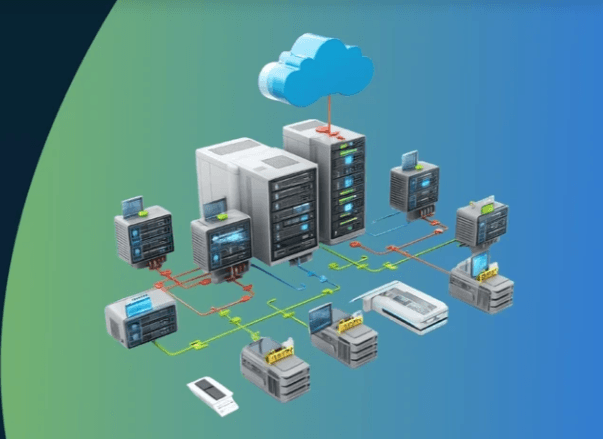
In the ever-evolving landscape of cyber threats, having a robust ransomware response plan is not just advisable—it's essential. A well-structured plan can mean the difference between a minor inconvenience and a catastrophic data breach. By implementing effective strategies, businesses can bolster their antivirus ransomware protection and safeguard their digital assets against malware attacks.
Steps to Develop an Effective Plan
Developing an effective ransomware response plan starts with identifying critical assets and understanding potential vulnerabilities. Businesses should conduct regular risk assessments to pinpoint where they are most susceptible to attacks, ensuring that the focus is on areas that need heightened antivirus for business protection. Once vulnerabilities are identified, organizations must create clear protocols detailing how staff should respond in case of an attack—this includes everything from isolating infected systems to notifying relevant stakeholders.
Next, it’s vital to establish communication channels within the organization for reporting suspicious activities or breaches promptly. Employees should be trained on these protocols so that everyone knows their role in maintaining security software integrity and responding swiftly to threats. Additionally, documenting these procedures ensures that all team members have access to critical information when time is of the essence.
Finally, integrating anti malicious software solutions into your response plan enhances your overall strategy by providing real-time alerts and automated responses during an attack. This proactive approach helps mitigate damage while ensuring that your business antivirus protection remains effective against emerging threats. Remember, regular reviews of this plan will keep it relevant as new malware protection technologies evolve.
Role of Anti Malicious Software in the Plan
Anti malicious software plays a pivotal role in any ransomware response strategy by acting as both a shield and a sword against threats. These tools not only detect existing malware but also prevent future infections through proactive scanning and real-time monitoring capabilities. By incorporating advanced malware protection systems into your security framework, you can significantly reduce the risk of falling victim to ransomware attacks.
Moreover, integrating antivirus ransomware protection solutions with existing infrastructure streamlines incident response efforts during an attack scenario. When malicious activity is detected early on by anti malicious software tools, organizations can take immediate action—isolating affected systems or even shutting down networks if necessary—to prevent further spread of infection. This rapid response capability is crucial for minimizing downtime and financial losses associated with ransomware incidents.
Additionally, anti malicious software programs often provide valuable insights into threat patterns and behaviors, allowing businesses to refine their overall security posture continuously. By analyzing data from previous attacks or attempted breaches, organizations can better tailor their business antivirus protection strategies moving forward—ensuring they remain one step ahead of cybercriminals looking for vulnerabilities.
Testing and Updating Your Response Strategy
Creating an effective ransomware response plan is only half the battle; regular testing and updates are equally important for maintaining its effectiveness over time. Conducting simulated attack scenarios allows teams to practice their responses under pressure while identifying any weaknesses in current protocols or technology setups related to malware protection measures already in place. This hands-on experience fosters confidence among employees when faced with actual threats.
Moreover, it’s essential to stay informed about new developments in cybersecurity trends as well as updates from security software providers regarding enhancements or patches available for existing systems used within your organization’s infrastructure framework—especially those related directly to antivirus for business solutions deployed across networks! Regularly revisiting these aspects ensures that you’re not just reactive but also proactive regarding potential risks associated with evolving ransomware tactics employed by cybercriminals today.
Lastly, consider establishing feedback loops within your organization where team members share insights gained from testing exercises or experiences encountered during real incidents involving ransom demands made against company data repositories! This collaborative approach enhances knowledge sharing across departments while reinforcing vigilance throughout all levels involved in safeguarding sensitive information against evolving threats seeking access via malicious means!
Best Practices for Ransomware Prevention
In the ever-evolving landscape of cyber threats, implementing best practices for ransomware prevention is essential. A proactive approach can significantly reduce the risk of falling victim to these malicious attacks. By focusing on key areas such as software updates, employee training, and robust backup strategies, businesses can fortify their defenses against ransomware.
Regularly Update Security Software
One of the simplest yet most effective ways to ensure antivirus ransomware protection is by regularly updating security software. Cybercriminals are constantly developing new malware variants, so having the latest updates allows your antivirus for business to recognize and neutralize emerging threats effectively. Consistent updates not only enhance malware protection but also improve overall system performance by fixing vulnerabilities that could be exploited.
Moreover, outdated security software may lack critical features necessary for comprehensive ransomware protection. This leaves your organization exposed to attacks that could easily have been prevented with timely updates. Therefore, establishing a routine schedule for checking and applying updates is crucial in maintaining robust protection from malware.
Employee Training and Awareness
Your employees are often the first line of defense against ransomware attacks; thus, training them is paramount in any anti malicious software strategy. Regular training sessions can help staff recognize phishing attempts and other tactics used by cybercriminals to infiltrate systems. By fostering a culture of cybersecurity awareness within your organization, you empower employees to act as vigilant guardians against potential threats.
Additionally, consider implementing simulated phishing exercises to gauge employee readiness and reinforce learning points about security software best practices. These exercises can highlight vulnerabilities while providing opportunities for constructive feedback on improving individual responses to suspicious activities. Ultimately, well-informed employees play a crucial role in enhancing overall business antivirus protection.
Importance of Backups and Recovery
When it comes to ransomware prevention, having reliable backups cannot be overstated; they are your safety net when all else fails! Regularly backing up data ensures that even if an attack occurs, you won’t be held hostage by encrypted files demanding ransom payments. A solid backup strategy involves creating multiple copies stored in different locations—both on-site and off-site—to maximize recovery options.
Incorporating backups into your anti malicious software plan means you can swiftly restore operations without succumbing to ransom demands or suffering significant downtime. Regularly testing recovery processes also helps identify any weaknesses in your backup system before an actual crisis arises; this proactive measure keeps your business resilient against future attacks while reinforcing the importance of comprehensive malware protection strategies.
Conclusion
In a world where ransomware threats are on the rise, strengthening your defense against these malicious attacks is more critical than ever. The combination of antivirus ransomware protection and advanced security software can create a formidable barrier to protect sensitive data and business operations. By implementing comprehensive malware protection strategies, organizations can significantly reduce their risk of falling victim to devastating ransomware attacks.
Strengthening Your Defense Against Ransomware
To effectively bolster your defenses against ransomware, it’s essential to adopt a multi-layered approach that includes robust antivirus for business solutions. This means not only relying on traditional anti malicious software but also integrating advanced technologies like ZDNS for enhanced visibility and control over your network. Regular updates to your security software and consistent employee training will ensure that everyone in your organization is equipped to recognize potential threats and respond appropriately.
The Future of Security Software Solutions
As cyber threats evolve, so too must our approaches to ransomware protection and malware defense. The future of security software solutions lies in their ability to leverage data-driven insights for proactive threat detection and response. Companies that embrace innovative technologies like ZDNS will be better positioned to anticipate emerging threats, ensuring they remain one step ahead in the ongoing battle against cybercrime.
Why ZDNS is Essential for Businesses
ZDNS plays a pivotal role in enhancing business antivirus protection by providing unified management features that streamline security processes across the board. Its precision in asset identification allows businesses to pinpoint vulnerabilities quickly, making it an invaluable tool in the fight against ransomware. By integrating ZDNS with existing anti malicious software solutions, companies can create a comprehensive strategy that not only protects from malware but also fortifies their overall cybersecurity posture.